


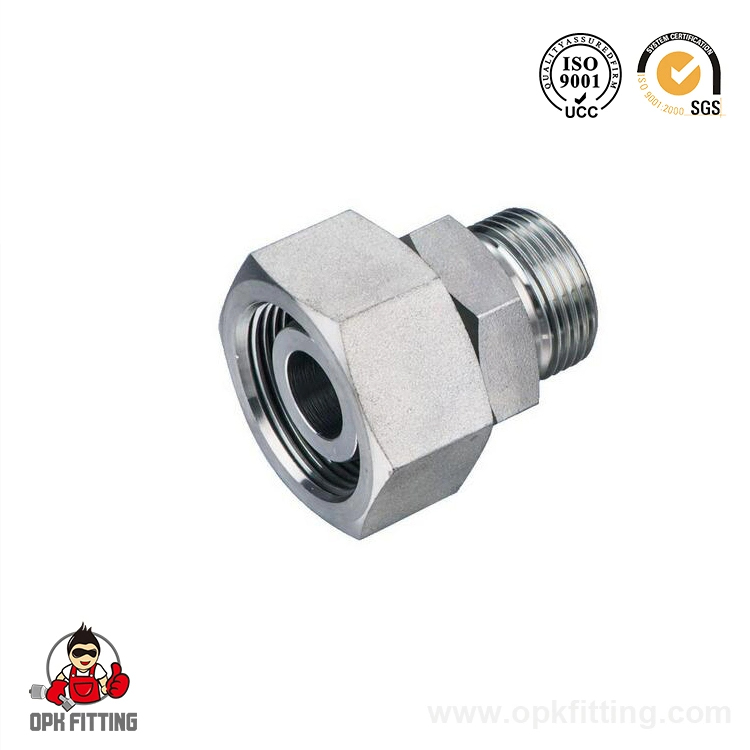
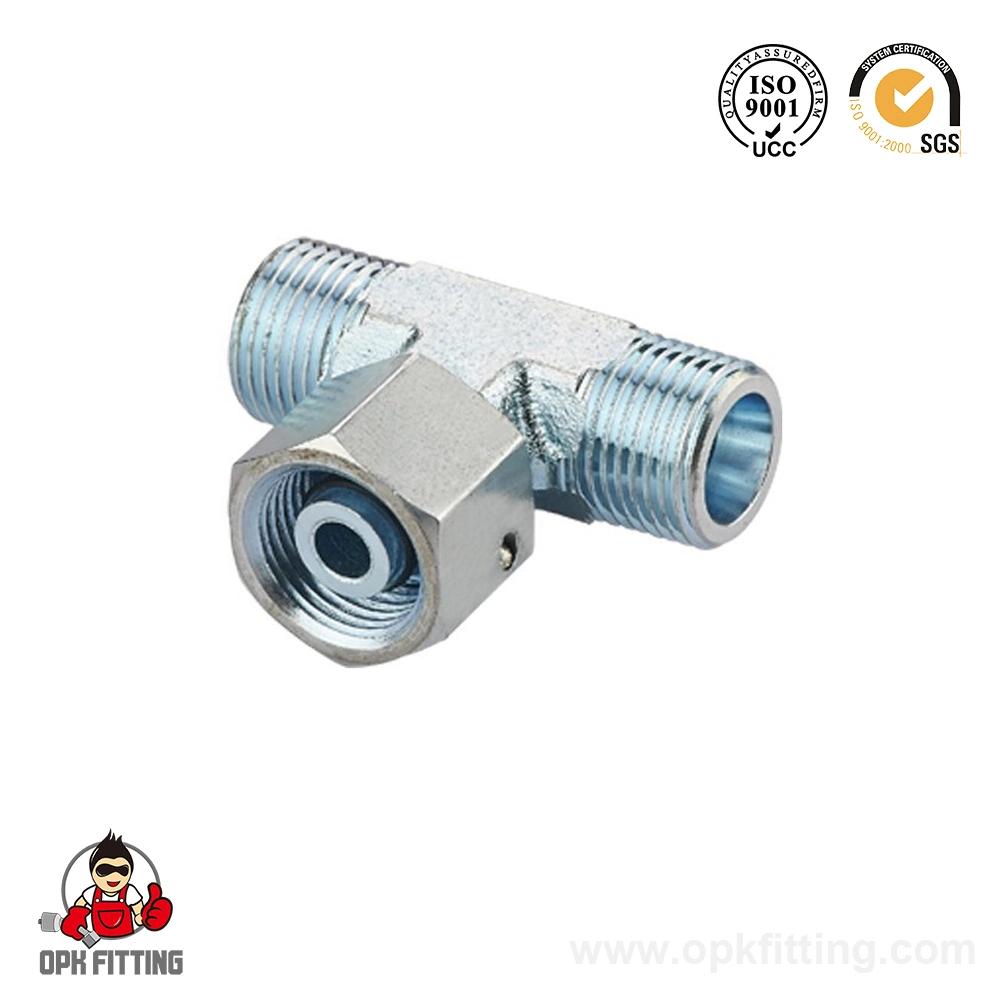
-1.jpg "Metric Male 74 Degree Cone Fitting/Sea O-Ring Boss L-Series ISO 11926-3 (1QO, 1QO-RN)")
One Wire Braid-Textile Hose SAE 100 R5
Inner tube: Thermoplastic PolyesterReinforcement: Two high-tenacity polyester braids reinforcementCover: Oil and weather resistant syntheticTemperatur...
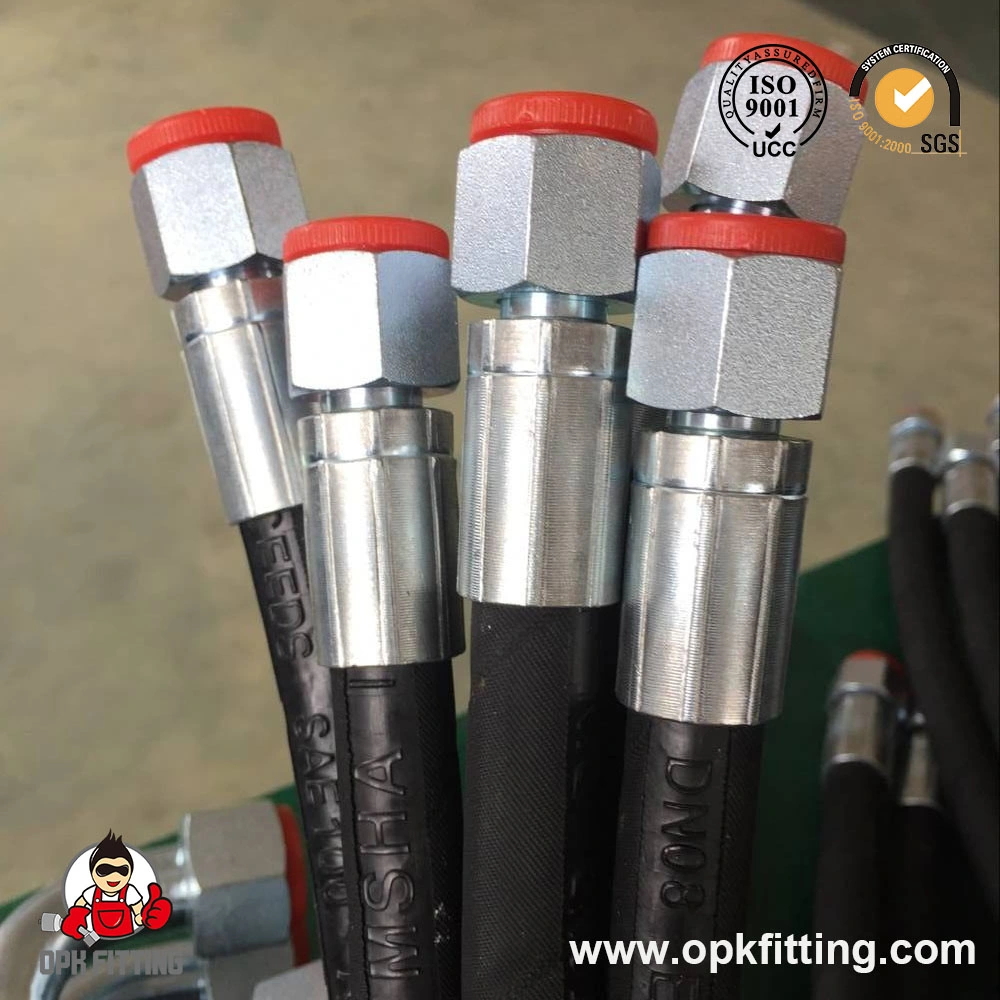
Inner tube: Thermoplastic PolyesterReinforcement: Two high-tenacity polyester braids reinforcementCover: Oil and weather resistant syntheticTemperatur...
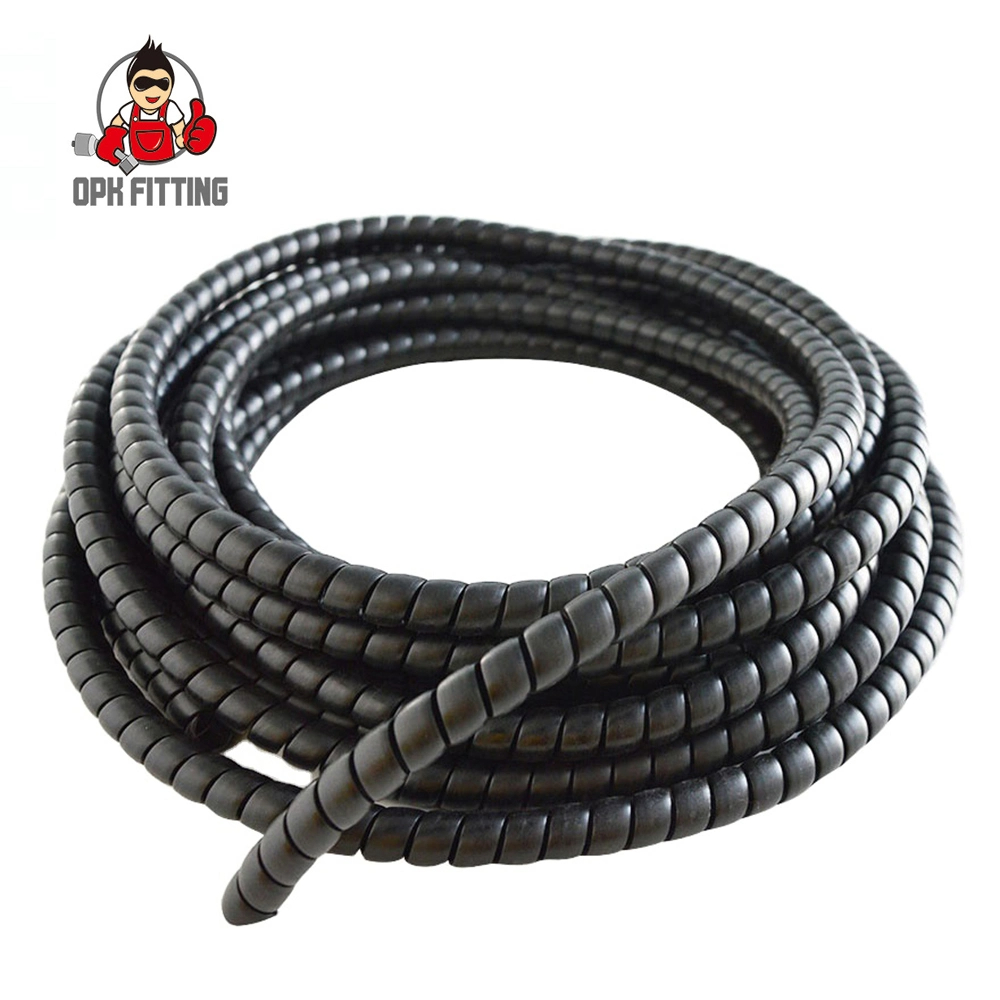
PRODUCT NAME: Spiral Protective Sleeve PP plastic hose guard for hydraulic hoseRecommended For: The use of Spiral Guard Wrap is an economical and conv...

Our 10 years of customisation experience has created the OPK Fitting brand value.

Quick Answer: What to Check Before Buying Industrial Hose Fittings Choosing the right industrial hose fitting depends on seven practical factors: material and corrosion resistance, pressure rating, size and thread standard, connection style and sealing method, temperature range, manufacturing qual...
View MoreDirect Answer: When Should You Replace Your Hydraulic Hose? Replace your hydraulic hose immediately if you observe visible cracking, leaking fluid, or bulging. In the absence of visible damage, industry best practice recommends replacement every 3 to 5 years for standard rubber hydraulic hoses, an...
View MoreChoosing the correct hydraulic hose fittings comes down to matching four variables at once: system pressure rating, thread and connection type, fitting material, and hose compatibility. Getting any one of these wrong is the most common root cause of leaks and premature hydraulic hose failure in the...
View MoreA hydraulic hose is a flexible tube designed to transport hydraulic fluid under high pressure within machinery and equipment. It plays a critical role in industries such as construction, agriculture, mining, and manufacturing. Hydraulic systems often operate at pressures ranging from 1,000 to over 5,000 PSI, making hose reliability essential for safety and performance.
These hoses are typically constructed with multiple layers, including an inner tube, reinforcement layers, and an outer protective cover. This design ensures durability, flexibility, and resistance to harsh environmental conditions.
Choosing the correct type ensures efficiency, safety, and longer service life in demanding environments.
| Hose Type | Pressure Range | Application |
|---|---|---|
| Wire Braided | 1,000–3,000 PSI | General machinery |
| Spiral Wire | 3,000–6,000 PSI | Heavy equipment |
Check for cracks, leaks, or bulging. Research indicates that over 60% of hose failures are due to external damage or improper maintenance.
Avoid twisting or exceeding the minimum bend radius, as this can reduce hose life by up to 50%.
Ningbo Force Auto Parts Co., Ltd. specializes in manufacturing high-quality hydraulic hoses, lifting slings, and industrial accessories. With advanced production technology and strict quality control, the company provides durable and reliable solutions to global customers, ensuring safety and efficiency in hydraulic systems.
Most hydraulic hoses last between 3 to 5 years, depending on operating conditions and maintenance.
Signs include visible cracks, fluid leaks, reduced system pressure, and unusual bulging.
Follow proper installation guidelines, perform regular inspections, and use hoses rated for your system’s pressure and temperature.

+86-18868902802


No. 298, Chenghai Road, Binhai New District, Fenghua Economic Development Zone, Fenghua District, Ningbo City, Zhejiang Province, China
Copyright @ Ningbo Opk Fitting Co., Ltd. Hydraulic Hose Suppliers Hydraulic Hose Fittings Manufacturers
