


4n 5n Hose Fitting Plug
Cat:Hydraulic Adapters
Product Descriptionhydraulic adaptor metric male O-Ring flat sealing pipe fittings Material: Carbon Steel, Stainless SteelSurface Treatment: White o...
See DetailsContent
Hose fitting failure is one of the most common and costly issues in fluid conveyance and hydraulic systems. The primary causes of hose fitting failure are improper installation, material incompatibility, pressure overload, corrosion, and mechanical fatigue. Understanding these root causes is essential for engineers, procurement teams, and maintenance professionals who rely on industrial hose fittings in demanding environments. This article breaks down each failure mode with data, visuals, and practical guidance — so you can prevent downtime before it starts.
Whether you are sourcing from an industrial hose fitting manufacturer or managing an existing fleet of hydraulic assemblies, recognizing early warning signs and understanding failure mechanics will help you extend service life and reduce replacement costs significantly.
Data from industrial maintenance records consistently shows that the majority of hose fitting failures are preventable. The chart below illustrates the most frequently reported root causes across hydraulic and fluid systems in manufacturing, construction, and heavy-duty industries.
As illustrated, improper installation alone accounts for over one-third of all fitting failures — a figure that underscores how critical correct assembly technique is, regardless of fitting quality. Pressure overload and corrosion together contribute another 40%, making material selection and system design equally important factors. These statistics are drawn from industrial maintenance surveys across hydraulic systems in sectors including construction, manufacturing, and marine engineering.
These numbers emphasize a fundamental truth: even the highest-grade standard hose fitting from a reputable industrial hose fitting supplier will fail prematurely if installed incorrectly or used beyond its rated conditions. Prevention starts with knowledge — and the sections below address each failure mode in depth.
Incorrect installation is the single largest cause of premature hose fitting failure. This encompasses a wide range of errors: over-tightening or under-tightening threaded connections, misaligning fittings during assembly, using incorrect torque values, and failing to properly seat ferrules or crimp sleeves. Each of these mistakes introduces stress concentrations that undermine the fitting's integrity from the first pressurization cycle.
Over-tightening is particularly destructive — it can distort the fitting seat, crack the ferrule, or strip threads in both BSP and NPT configurations. Under-tightening, on the other hand, allows micro-leakage that accelerates corrosion at the interface and leads to sudden blow-off under pressure spikes. Studies indicate that over 60% of installation-related failures involve incorrect torque application.
| Installation Error | Failure Mode | Estimated Failure Timeline |
|---|---|---|
| Over-tightening | Thread stripping, seat distortion | Immediate to 30 days |
| Under-tightening | Leakage, blow-off under pressure | Days to 3 months |
| Misalignment | Side-load fatigue, hose kinking | 1–6 months |
| Improper crimping | Sleeve pullout, fluid bypass | Immediate to 2 weeks |
| Missing thread sealant | Slow leak, corrosion ingress | 2 weeks to 6 months |
Proper assembly training and the use of calibrated torque wrenches are the most effective countermeasures. When sourcing from a qualified OEM hose fitting factory, always request installation torque specifications and assembly guidelines as part of the product documentation.
Every industrial standard hose fitting carries a rated maximum working pressure (MWP). Operating consistently at or above this threshold — or exposing the fitting to sudden pressure surges — dramatically shortens service life. Hydraulic systems are especially vulnerable because they generate pressure spikes (water hammer effects) that can momentarily exceed 4–6 times the normal operating pressure.
High pressure hose fitting manufacturers design their products with a safety factor — typically 4:1 — meaning a fitting rated at 400 bar is tested to 1600 bar. However, repeated surge events erode this safety margin over time through micro-cracking and metal fatigue, even if no single event crosses the burst threshold.
The line chart above illustrates a consistent trend: as the frequency of daily pressure surge events increases, the estimated service lifespan of both stainless steel and carbon steel fittings declines — but the rate of decline is noticeably steeper for carbon steel. Stainless steel hose fittings from a reputable stainless steel hose fitting manufacturer demonstrate significantly greater pressure fatigue resistance, particularly in systems experiencing more than 10 surge events per day. This data reflects real-world performance patterns observed in hydraulic press, injection molding, and marine hydraulic applications.
To mitigate pressure overload failure, system designers should install pressure relief valves, use accumulators to absorb surge energy, and always specify fittings with a safety factor appropriate to the application. When in doubt, consult a qualified high pressure hose fitting manufacturer for application-specific recommendations.
Corrosion is responsible for approximately 18% of fitting failures — and it is particularly insidious because it often progresses invisibly before causing a sudden, complete failure. The type of corrosion depends on material, fluid chemistry, and environment. Galvanic corrosion occurs when dissimilar metals contact each other in the presence of an electrolyte. Crevice corrosion forms in tight gaps at thread interfaces. Pitting corrosion attacks local surface defects, creating stress risers that nucleate cracks.
Brass hose fitting suppliers and stainless steel hose fitting manufacturers produce fittings with inherently better corrosion resistance than uncoated carbon steel alternatives. For chemically aggressive media — acids, saltwater, chlorinated water, or oxidizing fluids — 316L stainless steel or special alloy fittings are the preferred choice. Zinc-plated carbon steel fittings offer moderate corrosion protection but are unsuitable for offshore or chemical processing environments.
The column chart clearly demonstrates the significant performance gap between material choices. 316L stainless steel achieves a corrosion resistance score of 95 out of 100, making it the preferred choice for corrosive environments such as offshore platforms, food processing lines, and chemical transfer systems. Brass ranks second with a score of 72, offering reliable protection for water and mild chemical applications. Carbon steel without protective coating scores only 20, highlighting why corrosion resistant hose fittings should always be selected based on the actual chemical environment rather than cost alone.
Preventive measures include selecting appropriate base material, applying supplemental coatings (nickel, PTFE, or epoxy), ensuring compatible thread sealants are used, and implementing regular inspection intervals — particularly in humid or chemically active environments.
In dynamic applications — mobile machinery, vibrating compressors, engine-mounted systems — hose fittings are exposed to continuous cyclic loading. Over thousands or millions of cycles, even stress levels well below the material's yield strength cause microscopic cracks to form and propagate. This is classical fatigue failure, and it accounts for roughly 13% of all fitting-related incidents.
The fitting-to-hose interface is particularly vulnerable because it represents a geometric discontinuity — a point where stiffness changes abruptly. Heavy duty hose fittings are engineered with optimized transition zones, stress-relieving geometry, and higher-grade materials to resist fatigue initiation. Flexible hose routing and anti-vibration clamps are equally important mitigation strategies.
This radar chart compares the risk profile of two common application types: mobile machinery (such as excavators, agricultural equipment, and off-road vehicles) versus static industrial installations (pump stations, presses, and processing plants). Mobile machinery applications show significantly higher vibration-related risk, while static installations face greater threats from installation error and corrosion. Both application types share elevated pressure-related risk, confirming that pressure management is a universal concern across all hydraulic hose fitting deployments.
Understanding the specific risk profile of your application is the first step toward selecting the right hydraulic hose fitting supplier and specifying appropriate fitting design, material, and installation standards. A bulk order of bulk industrial hose fittings for a fleet of mobile machines will have very different specifications than fittings for a stationary chemical process line.
Material incompatibility occurs when the fitting material, hose compound, or sealing element is chemically or mechanically incompatible with the fluid being conveyed. Even a premium wholesale hose fitting made of the correct grade of brass or stainless steel will fail rapidly if the internal elastomeric seal is not rated for the specific fluid — whether that is petroleum-based hydraulic oil, water-glycol, phosphate ester fire-resistant fluid, or a chemical solvent.
Common seal materials include NBR (nitrile), EPDM, FKM (Viton), and PTFE, each with distinct chemical resistance profiles. Using an NBR seal in a phosphate ester hydraulic system, for example, causes rapid swell and degradation — leading to bypass leakage within weeks. Similarly, brass fittings should not be used with ammonia-based fluids due to stress corrosion cracking risk.
| Fluid Type | NBR | EPDM | FKM (Viton) | PTFE |
|---|---|---|---|---|
| Petroleum Hydraulic Oil | Excellent | Poor | Excellent | Excellent |
| Water / Water-Glycol | Fair | Excellent | Fair | Excellent |
| Phosphate Ester Fluid | Poor | Poor | Excellent | Excellent |
| Chemical Solvents | Poor | Fair | Good | Excellent |
| Food / Pharmaceutical Grade | Not Approved | FDA Approved | FDA Approved | FDA Approved |
Always specify the full fluid compatibility requirements when ordering from a custom hose fitting manufacturer. Providing the fluid type, concentration, temperature range, and pressure range allows the manufacturer to recommend the correct combination of body material, seal type, and surface treatment — eliminating material incompatibility as a failure risk before the fitting ever enters service.
Both elevated and cryogenic temperatures reduce fitting performance. At high temperatures, elastomeric seals lose elasticity, metal fittings may experience thermal expansion beyond design tolerances, and fluid viscosity changes can cause abnormal pressure distribution. At low temperatures, seals become brittle and may crack under pressure or mechanical shock. Thermal cycling — repeated heating and cooling — generates fatigue stress at the fitting joint due to differential expansion between the hose and fitting materials.
Industrial standard hose fittings are typically rated for use between -40°C and +120°C, depending on material and seal type. For applications outside this range, specialized fittings with PTFE seals, high-temperature alloys, or cryogenic-grade materials are required. OPK Fitting's engineering team can advise on temperature-specific fitting selection as part of its ODM/OEM customization process.
This grouped bar chart quantifies seal degradation rates at five operating temperature points for NBR and FKM (Viton) seal materials. At both temperature extremes — -40°C and 160°C — NBR seals degrade significantly faster than FKM seals, with degradation rates reaching 25% per 1000 hours at 160°C for NBR versus only 10% for FKM. At the optimal operating range of 20–80°C, both materials perform well, but applications approaching or exceeding 120°C should specify FKM or PTFE seals exclusively. This data helps maintenance planners schedule proactive seal replacement intervals and avoid unplanned system shutdowns caused by thermally degraded seals.
Prevention is always more cost-effective than replacement — especially in systems where unplanned downtime carries significant production loss penalties. The following framework applies to any organization sourcing industrial hose fittings for critical hydraulic or fluid transfer applications.
Organizations that implement this six-step framework consistently report reductions in fitting-related incidents of 50–70% within the first year. The investment in proper specification and installation training pays back many times over in reduced maintenance costs and improved system availability.
OPK FITTING Hydraulic Equipment Factory is a leading China industrial hose fitting supplier and standard hose fitting manufacturer with over 10 years of specialized production experience. Our product range spans hydraulic hose assemblies, adapters, and industrial standard hose fittings across all major pressure classes and thread standards — including BSP, NPT, JIC, ORFS, and metric configurations.
We serve diverse industries including machinery, metallurgy, petroleum, construction, marine, aerospace, agriculture, pharmaceutical, and food processing — delivering both standard catalog products and fully customized OEM hose fitting factory solutions. Our ODM/OEM customization capabilities cover material selection, dimensional engineering, surface treatment, and full-assembly qualification testing.
With a team of skilled design engineers and a rigorous quality management system, OPK Fitting delivers consistent product quality and responsive technical support. Whether you require wholesale hose fittings for inventory stocking or a small batch of specialized custom hose fitting manufacturer solutions, we are equipped to meet your requirements efficiently and reliably.
Q1. How do I choose the right industrial hose fitting?
Identify your operating pressure, fluid type, temperature range, and required thread standard (BSP, NPT, etc.). Then select body material and seal type to match. Consulting a qualified industrial hose fitting manufacturer ensures you receive application-specific guidance rather than generic catalog recommendations.
Q2. What size hose fitting do I need?
Hose fitting size depends on the hose inner diameter (ID), the required flow rate, and the port size on the connected equipment. Mismatched sizes cause turbulence, pressure drop, and accelerated wear. Always measure both the hose OD and the port thread before specifying a fitting size.
Q3. How do I measure hose fitting size correctly?
Use a vernier caliper to measure the thread outer diameter (OD) for male threads or the thread inner diameter (ID) for female threads. Then measure thread pitch using a thread gauge. Cross-reference these measurements with BSP, NPT, or metric thread charts to confirm the correct designation before ordering.
Q4. What is the difference between standard and custom hose fittings?
Standard hose fittings conform to published dimensional and performance specifications (DIN, ISO, SAE, etc.) and are interchangeable across manufacturers. Custom hose fittings are engineered to unique dimensions, materials, or configurations for specialized applications. A custom hose fitting manufacturer can produce OEM or ODM parts that are not available in any standard catalog.
Q5. How do I select hose fittings for high-pressure applications?
For high-pressure systems, specify fittings with a minimum 4:1 safety factor relative to maximum working pressure. Choose body materials rated for the pressure class — typically carbon steel or stainless steel for hydraulic service. Work with a high pressure hose fitting manufacturer who provides documented burst test records and certifications for each product series.
Q6. How often should industrial hose fittings be inspected?
Inspection frequency depends on operating severity. Low-pressure, low-cycle systems may require annual inspections, while high-pressure dynamic applications may need quarterly or even monthly checks. Visual inspection for corrosion, deformation, and seepage should be part of routine maintenance. Follow the fitting manufacturer's recommended inspection intervals as a starting point.
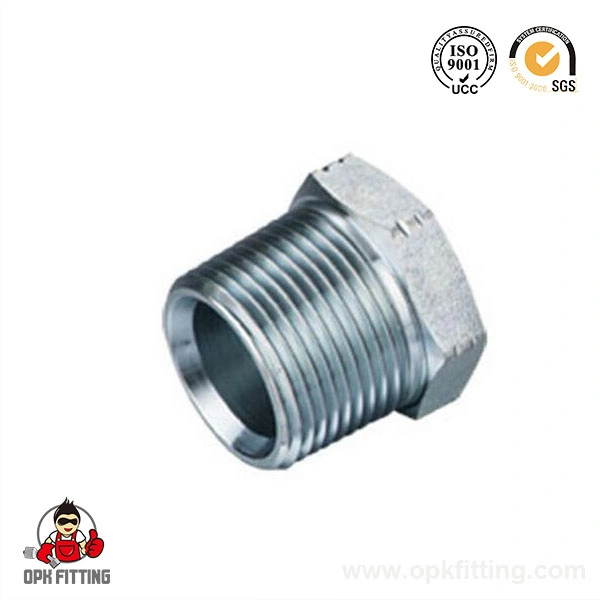
Product Descriptionhydraulic adaptor metric male O-Ring flat sealing pipe fittings Material: Carbon Steel, Stainless SteelSurface Treatment: White o...
See Details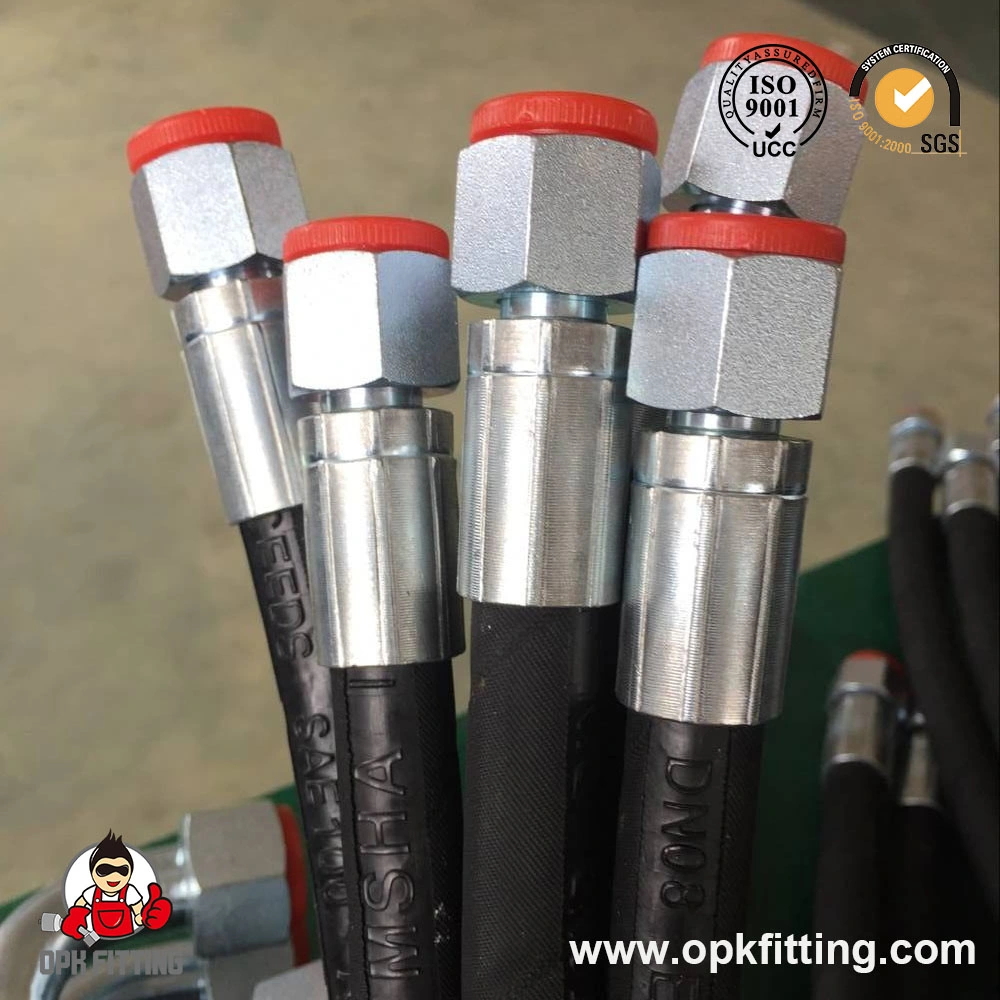
Inner tube: Thermoplastic PolyesterReinforcement: Two high-tenacity polyester braids reinforcementCover: Oil and weather resistant syntheticTemperatur...
See Details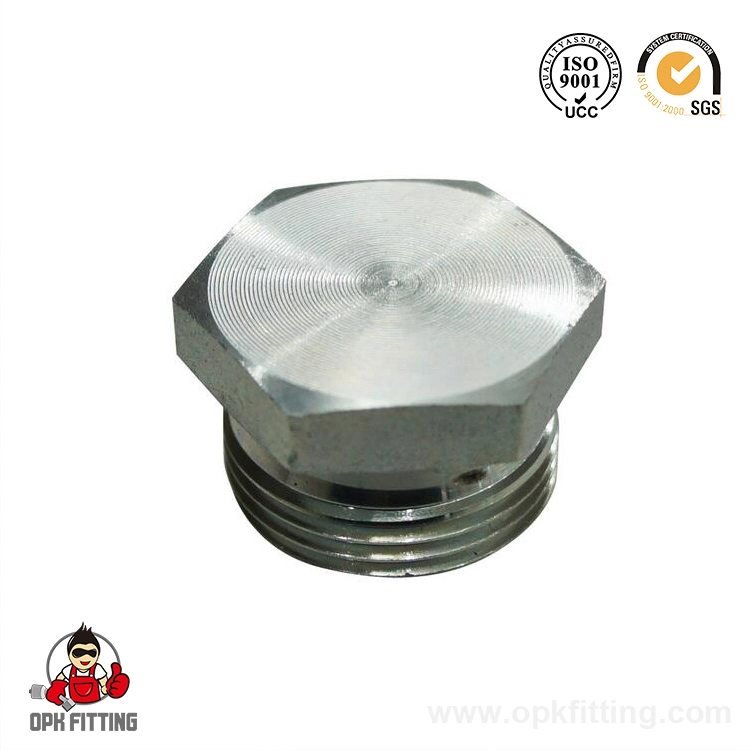
Product Descriptionhydraulic adaptor metric male O-Ring flat sealing pipe fittings Material: Carbon Steel, Stainless SteelSurface Treatment: White...
See Details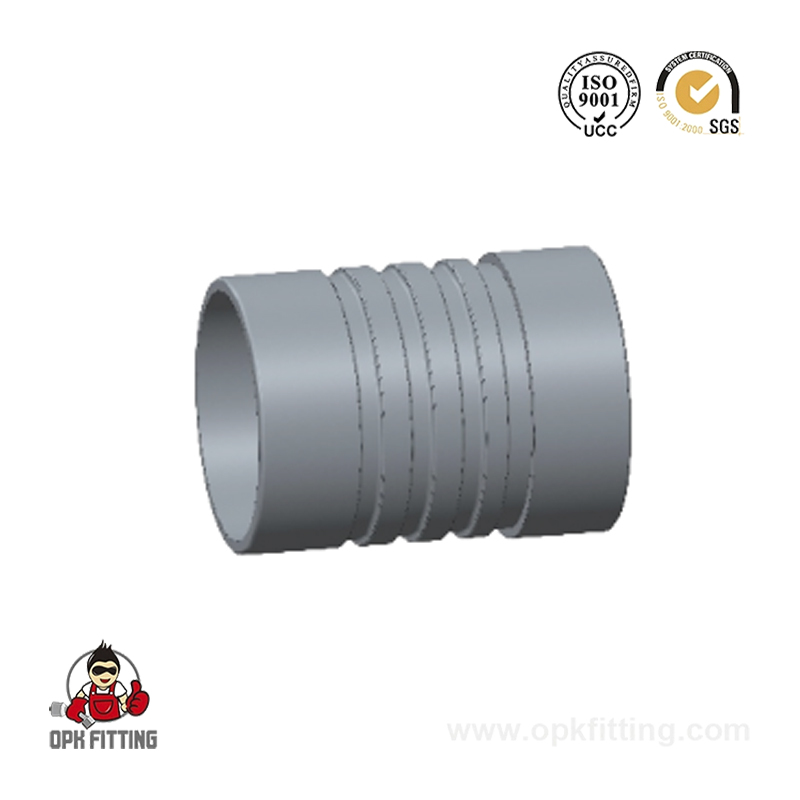
Description Of Products:1. Raw Material: Carbon Steel & Stainless Steel available2. Standard Plating: Trivalent Zinc Plating ( Cr3 / Chrome Free )...
See Details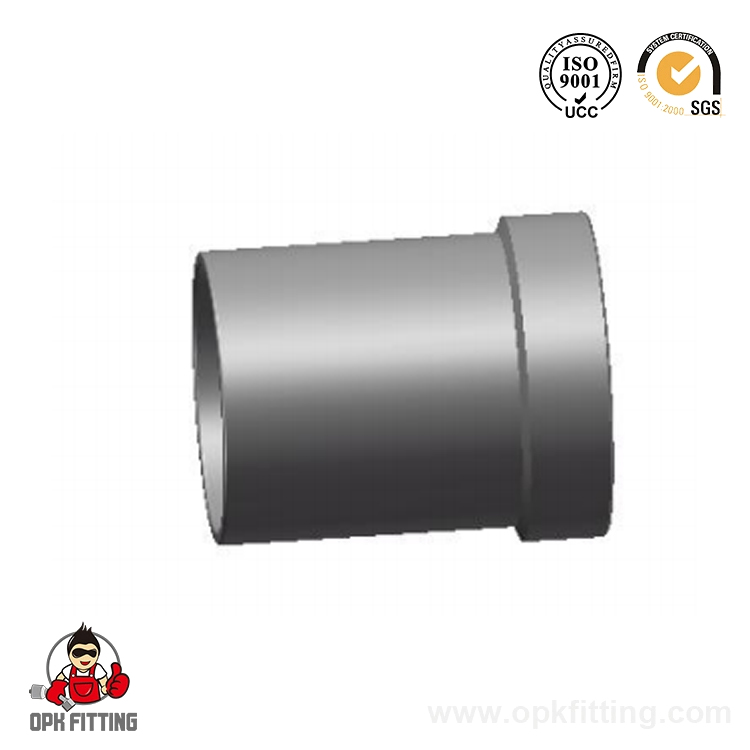
Description Of Products:1. Raw Material: Carbon Steel & Stainless Steel available2. Standard Plating: Trivalent Zinc Plating ( Cr3 / Chrome Free )...
See Details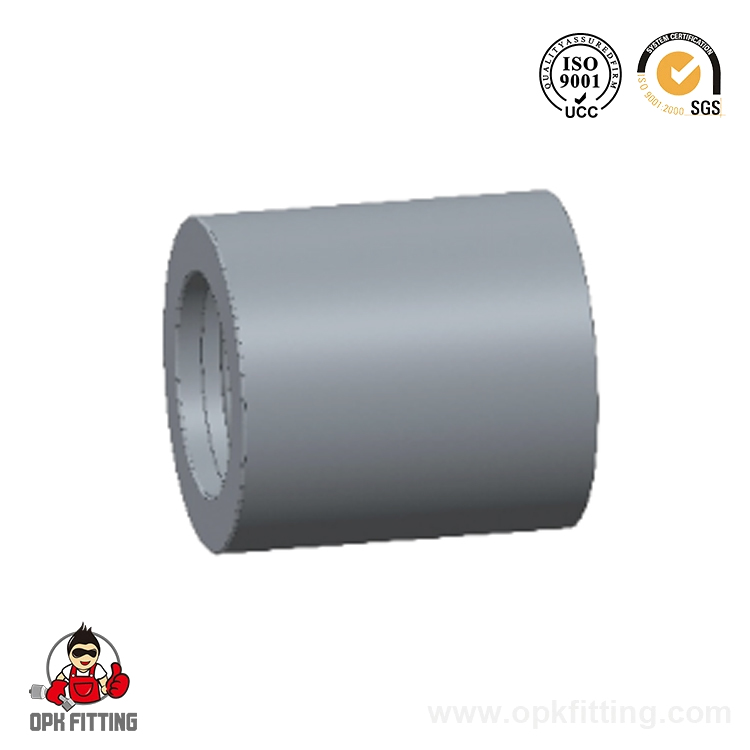
Description Of Products:1. Raw Material: Carbon Steel & Stainless Steel available2. Standard Plating: Trivalent Zinc Plating ( Cr3 / Chrome Free )...
See Details

+86-18868902802


No. 298, Chenghai Road, Binhai New District, Fenghua Economic Development Zone, Fenghua District, Ningbo City, Zhejiang Province, China
Copyright @ Ningbo Opk Fitting Co., Ltd. Hydraulic Hose Fittings Manufacturers OEM & Custom Adaptors Company
