


One Wire Braid-Textile Hose SAE 100 R5
Cat:Hydraulic Hose
Inner tube: Thermoplastic PolyesterReinforcement: Two high-tenacity polyester braids reinforcementCover: Oil and weather resistant syntheticTemperatur...
See DetailsOne Wire Braid-Textile Hose (SAE 100 R5) is the ideal choice for industrial hydraulic and fluid conveyance applications where flexibility, durability, and resistance to oil and environmental degradation are non-negotiable. Built with a thermoplastic polyester inner tube, dual high-tenacity polyester braid reinforcement, and an oil- and weather-resistant synthetic cover, this hose delivers reliable performance across a temperature range of -40°C to +100°C — making it suitable for demanding environments from outdoor construction sites to enclosed industrial machinery. If your operation requires a hose that combines mechanical strength, chemical resistance, and long service life without the added weight of steel-wire alternatives, the One Wire Braid-Textile Hose is the answer.
Understanding the SAE 100 R5 Standard and What It Means for Your Application
The SAE 100 R5 designation is a globally recognized performance standard established by the Society of Automotive Engineers. It defines minimum requirements for hose construction, working pressure, burst pressure, bend radius, and impulse cycle performance. When a hose carries this rating, it has been tested and validated to handle specific hydraulic demands consistently and safely.
For industrial buyers, this standardization matters enormously. It means that a SAE 100 R5 hose sourced from a reputable manufacturer will perform predictably regardless of where it is installed — whether in a steel mill hydraulic circuit, an agricultural sprayer, or a shipboard fluid transfer system. Guesswork about compatibility and pressure ratings is eliminated. Engineers can specify the hose with confidence, knowing it aligns with internationally recognized benchmarks.
The SAE 100 R5 standard specifically governs hoses intended for use in hydraulic systems and fuel line applications where the medium being conveyed may be petroleum-based or synthetic hydraulic fluid, diesel fuel, lubricating oil, or water-glycol mixtures. The textile-braid reinforcement construction distinguishes R5 from wire-braid counterparts such as SAE 100 R1 or R2, offering a lighter, more flexible solution without sacrificing the pressure performance required by mid-range hydraulic systems.
Key SAE 100 R5 performance benchmarks include working pressures typically ranging from 1,000 psi to 3,000 psi depending on hose inner diameter, burst pressure ratings at a minimum of four times the working pressure, and impulse life exceeding 150,000 pressure cycles at full rated pressure. These figures confirm that the hose is engineered not merely to function, but to endure.
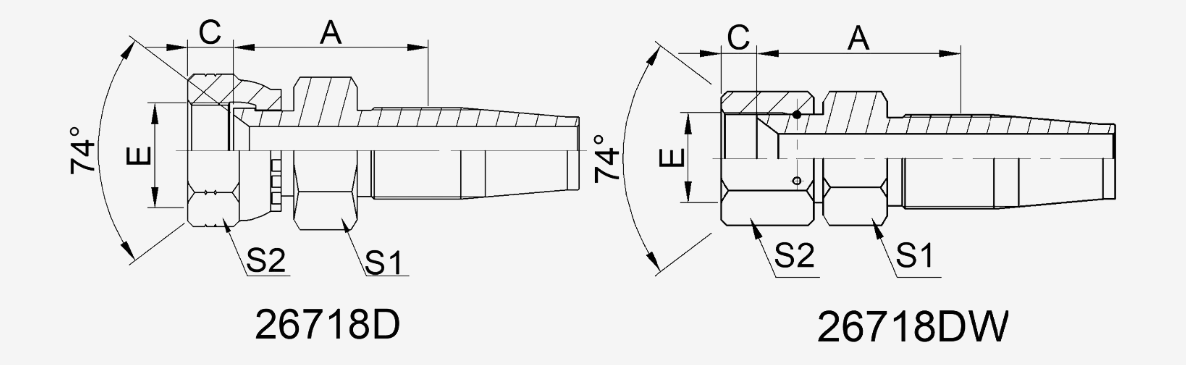
Construction Breakdown: What Makes This Hose Perform
The performance of any hydraulic hose is inseparable from its construction. The One Wire Braid-Textile Hose is engineered with three distinct layers, each serving a precise function. Understanding this layered architecture helps engineers and procurement specialists make informed decisions about suitability for their specific operating conditions.
Inner Tube: Thermoplastic Polyester
The inner tube is the hose's first line of contact with the conveyed medium. Constructed from thermoplastic polyester, this layer offers an exceptional combination of chemical resistance, dimensional stability, and smooth bore consistency. Unlike rubber inner tubes, thermoplastic polyester maintains its shape across the full operating temperature range without softening at higher temperatures or becoming brittle at lower ones.
The smooth inner surface of the thermoplastic polyester tube minimizes turbulent flow and pressure drop across the hose length — a practical advantage in long hydraulic circuits where flow efficiency directly affects actuator response and system energy consumption. Thermoplastic polyester is also compatible with a wide range of hydraulic fluids, including petroleum-based oils, synthetic esters, water-glycol solutions, and biodegradable hydraulic fluids. This broad chemical compatibility makes the hose versatile across diverse industrial fluid systems.
Furthermore, thermoplastic polyester is inherently resistant to permeation — the phenomenon where fluid molecules migrate through the hose wall over time. Low permeation rates help maintain system fluid integrity, reduce environmental contamination risk, and extend the interval between fluid top-up or replacement cycles.
Reinforcement: Two High-Tenacity Polyester Braids
The reinforcement layer is what gives the hose its pressure-bearing capability. The One Wire Braid-Textile Hose uses two high-tenacity polyester braid layers wound in opposing helical directions. This cross-braid configuration distributes radial and axial stresses evenly around the hose circumference, preventing localized stress concentration that could lead to fatigue cracking or rupture under cyclic pressure loading.
High-tenacity polyester offers a tensile strength approaching that of many steel alloys on a weight-normalized basis, yet weighs approximately 85% less than steel wire of equivalent strength. This weight advantage is not merely academic — in mobile equipment such as agricultural machinery, construction vehicles, or aerospace ground support equipment, the cumulative weight reduction from switching to textile-braided hose assemblies can meaningfully improve fuel efficiency and reduce operator fatigue from handling heavy hose bundles.
Polyester braids also possess natural resistance to corrosion. Unlike steel wire reinforcement, which can corrode if the outer cover is breached and moisture infiltrates, polyester reinforcement remains structurally intact even in humid, salt-spray, or chemically aggressive environments. This makes the hose particularly well-suited for marine, coastal, and outdoor agricultural applications where moisture exposure is inevitable.
The braid construction also allows the hose to flex without kinking — a critical operational requirement for hose assemblies that must accommodate moving machinery components. Textile braids articulate smoothly under repeated bending, maintaining a consistent bore even when routed around tight corners or over moving joints.
Outer Cover: Oil and Weather Resistant Synthetic
The outer cover is the hose's interface with its operating environment. Formulated from oil- and weather-resistant synthetic compound, this cover provides robust protection against the common causes of hose surface degradation: hydraulic oil spillage, ultraviolet radiation, ozone attack, and abrasion from contact with machine surfaces, cable trays, or ground.
Oil resistance is particularly important in industrial settings where hose assemblies frequently come into contact with leaked or sprayed hydraulic fluid. An oil-susceptible cover material will swell, soften, and eventually crack when repeatedly exposed to hydrocarbon-based fluids — compromising both the cover's protective function and, eventually, the structural integrity of the reinforcement beneath it. The synthetic cover of the SAE 100 R5 hose resists swelling and maintains its mechanical properties even after prolonged oil contact.
Weather resistance encompasses UV stability and ozone resistance. Ozone, present at ground level in industrial environments and at elevated concentrations outdoors, attacks conventional rubber at a molecular level — causing surface cracking that progresses inward over time. The synthetic cover formulation used in this hose incorporates ozone stabilizers and UV absorbers that prevent this degradation, extending outdoor service life significantly compared to standard rubber-covered alternatives.
Temperature Performance: Operating Confidently from -40°C to +100°C
The temperature range of -40°C to +100°C is one of the most practically significant specifications of the One Wire Braid-Textile Hose. Many hydraulic hose failures occur not under normal operating conditions, but at temperature extremes — during cold winter start-ups or after prolonged operation in hot environments. This hose is engineered to remain fully functional at both ends of this range.
At -40°C, the hose retains flexibility without becoming stiff or brittle. This is a critical safety requirement for equipment operating in cold climates such as northern European winters, Canadian or Russian industrial sites, or high-altitude mountain construction projects. Many rubber hoses become rigid and prone to cracking at such low temperatures — especially during the pressure spikes that occur when a cold hydraulic system is first activated. The thermoplastic polyester construction of this hose remains pliable at -40°C, absorbing those initial pressure surges without cracking.
At +100°C, the hose maintains its dimensional stability and pressure rating. This upper temperature limit accommodates the operating reality of many industrial hydraulic systems, where fluid temperatures can rise well above ambient due to pump inefficiency, restricted return lines, or high-cycle operation. Continuous operation at or near the maximum rated temperature does not cause the hose to soften, deform, or allow internal pressure to cause ballooning of the tube.
It is worth noting that the -40°C to +100°C range covers the vast majority of real-world industrial hydraulic applications. Only specialized systems — such as those located adjacent to furnaces, in cryogenic processes, or in high-temperature steam environments — would require hoses with wider temperature ratings. For standard machinery, agricultural, construction, marine, and pharmaceutical hydraulic systems, this range is more than adequate.
Industry Applications: Where One Wire Braid-Textile Hose Delivers Results
The versatility of the SAE 100 R5 One Wire Braid-Textile Hose is demonstrated by the breadth of industries in which it is deployed. Its combination of flexibility, chemical resistance, wide temperature tolerance, and lightweight construction makes it genuinely applicable across industrial, mobile, and specialized sectors.
Machinery and General Manufacturing
In general industrial machinery, hydraulic hoses connect pumps to cylinders, motors, and control valves throughout the machine frame. The flexibility of textile-braided hose allows routing through tight machine frames without the rigid bend radius constraints imposed by steel-wire hose. Machine designers can route hose assemblies more efficiently, reducing the need for additional fittings and potential leak points. The oil-resistant cover protects hoses that run close to lubrication points or gearboxes where incidental oil contact is frequent.
Metallurgy and Steel Production
Metallurgical plants subject hydraulic hoses to simultaneous chemical, thermal, and mechanical challenges. Hydraulic fluid temperatures in rolling mill and continuous caster applications routinely reach 80–95°C during sustained operation. Scale and quench water create aggressive external environments. The SAE 100 R5 hose's upper temperature rating of +100°C and weather-resistant cover make it suitable for many metallurgical hydraulic circuits, particularly in areas away from extreme radiant heat sources.
Construction Equipment
Excavators, cranes, concrete pumps, and road construction machinery rely on hydraulic systems that must function reliably in outdoor conditions ranging from sub-zero winters to hot summer days. The -40°C cold flexibility and +100°C heat resistance of the One Wire Braid-Textile Hose directly address these seasonal extremes. The lightweight nature of the hose assembly also simplifies field replacement — a practical benefit when a hose must be changed on a job site with minimal tooling.
Agriculture
Agricultural hydraulic systems power everything from tractor implement lift circuits to self-propelled sprayer boom controls. Hoses on agricultural equipment face UV exposure during long outdoor operating seasons, contact with crop protection chemicals that can degrade lesser cover materials, and wide temperature swings between early morning starts in cold fields and midday operation under direct sun. The SAE 100 R5 hose's UV-stabilized, weather-resistant cover and broad temperature range make it a durable choice for this demanding application.
Marine and Shipbuilding
Marine hydraulic systems control steering gear, anchor windlasses, hatch covers, and deck cranes on commercial vessels. The salt-air environment is corrosive to steel wire reinforcement but has no effect on polyester braid. The hose's oil-resistant cover handles incidental exposure to bilge oil and deck fluids. The compact, flexible nature of textile-braided hose facilitates routing through the tight confines of engine rooms and below-deck spaces.
Pharmaceutical and Food Processing
Pharmaceutical and food production facilities require hydraulic hoses that are chemically stable and do not contribute contaminants to the production environment. The thermoplastic polyester inner tube resists extraction by cleaning agents used in pharmaceutical facilities, and the overall hose construction avoids materials that could leach harmful substances. Where hoses run in proximity to product contact areas, the clean, non-porous cover surface simplifies sanitization routines.
Comparative Advantages Over Alternative Hose Types
Selecting the right hose for an industrial application involves comparing alternatives across multiple performance dimensions. The One Wire Braid-Textile Hose (SAE 100 R5) competes primarily with rubber hydraulic hoses with steel wire reinforcement and fully thermoplastic hoses without braided reinforcement. Each has its place, but the textile-braided thermoplastic hose offers a distinctive performance profile that suits a wide range of mid-pressure industrial applications.
| Performance Factor | SAE 100 R5 Textile Braid | Steel Wire Braid (R1/R2) | Unreinforced Thermoplastic |
|---|---|---|---|
| Working Pressure | Medium (up to ~3,000 psi) | High (up to ~5,000+ psi) | Low (up to ~300 psi) |
| Flexibility | Excellent | Moderate | Excellent |
| Weight | Light | Heavy | Very Light |
| Corrosion Resistance | Excellent (polyester braid) | Limited (steel corrodes) | Excellent |
| Temperature Range | -40°C to +100°C | -40°C to +100°C (rubber) | -20°C to +80°C (typical) |
| Oil Resistance (Cover) | Excellent | Good to Excellent | Variable |
| Impulse Life | 150,000+ cycles | 150,000–200,000 cycles | <50,000 cycles |
| Ease of Routing | Very Easy | Moderate | Very Easy |
| Marine Suitability | Excellent | Poor to Moderate | Good |
The data in the comparison table reveals a clear positioning for the SAE 100 R5 hose: it occupies the optimum zone between raw pressure capacity and practical handling characteristics. For the many industrial applications where working pressures fall in the 500–3,000 psi range — which represents the majority of mobile and stationary hydraulic circuits — the textile-braided hose delivers pressure performance equivalent to steel wire alternatives while offering superior flexibility, lower weight, and markedly better corrosion resistance.
The impulse life advantage over unreinforced thermoplastic hose is particularly significant. Industrial hydraulic systems rarely operate at steady pressure; directional control valves, actuator reversals, and pump pressure spikes generate continuous pressure cycling. A hose with an impulse life of 150,000+ cycles will endure years of operational duty cycles that would destroy a non-reinforced hose within months. This directly translates to lower replacement frequency, reduced maintenance labor costs, and fewer unplanned production stoppages.
Fitting Compatibility and Assembly Considerations
A hydraulic hose assembly is only as reliable as the weakest point in the system — which is most often the hose-to-fitting interface. The One Wire Braid-Textile Hose is designed for compatibility with a comprehensive range of hydraulic fittings, including BSP, NPT, JIC, ORFS, and metric thread standards. This fitting system versatility ensures that the hose can be integrated into virtually any existing hydraulic circuit without requiring specialized or proprietary connectors.
The thermoplastic construction of the hose body facilitates precise, consistent crimping using standard hose crimping equipment. Thermoplastic hoses do not exhibit the dimensional variability of rubber hoses, where manufacturing tolerances in wall thickness can affect crimp quality. The uniform wall geometry of the thermoplastic inner tube and the consistent braid coverage ensure that a properly set crimp ferrule engages the hose body predictably — producing a leak-free, pull-out-resistant assembly every time.
When assembling SAE 100 R5 hose assemblies, several practical guidelines maximize assembly integrity and service life:
OPK FITTING Hydraulic Equipment Factory supplies not only hose but also a complete range of compatible fittings and adaptors — BSP, NPT, JIC, ORFS, and metric configurations — ensuring that customers can source complete, application-matched hose assembly components from a single, experienced supplier. This single-source capability simplifies procurement, ensures component compatibility, and eliminates the fitting-hose mismatch risks that arise when sourcing from multiple vendors.
Installation Best Practices for Maximum Service Life
Even the highest-quality hose will underperform or fail prematurely if improperly installed. The following installation guidelines reflect industry best practices for SAE 100 R5 hose assemblies and will help operations teams maximize the service life of every assembly installed.
Respect Minimum Bend Radius
Every hose has a minimum bend radius — the tightest curve it can be routed through without internal damage. Bending the hose tighter than this radius collapses the bore, restricts flow, and creates a localized stress point in the reinforcement that will fatigue and fail prematurely. The SAE 100 R5 standard specifies minimum bend radii for each hose size; always verify these values for the specific hose diameter being used and design routing paths that accommodate them.
Avoid Torsional Stress During Installation
Braided hoses are not designed to absorb twisting forces. If a hose is installed with even a slight twist along its longitudinal axis, the braided reinforcement will unwind under pressure cycles, causing the hose to rotate further and eventually leading to fitting loosening or hose body failure. Always route hose assemblies in a plane — without twisting — and use swivel fittings at appropriate connection points to allow for angular misalignment without inducing torsion.
Provide Adequate Length and Slack
Hoses installed under tension — where the hose is stretched taut between its connection points — are subjected to continuous tensile loading that the assembly is not designed to carry. As the machine moves and the hose flexes, tensioned assemblies experience accelerated fatigue at the fitting crimp zones. Always design hose routing with 10–15% additional length beyond the minimum geometric requirement to allow for slack during movement.
Protect Against External Abrasion
In machine environments where hoses run close to sharp edges, moving parts, or rough surfaces, abrasion of the outer cover is a common cause of premature hose failure. Use protective sleeves, spiral guards, or hose clamps to prevent contact with abrasive surfaces. Even the oil- and weather-resistant cover of the SAE 100 R5 hose is not immune to mechanical abrasion if the hose is continuously rubbing against a metal edge.
Implement Regular Inspection Intervals
Hydraulic hose assemblies should be included in formal maintenance inspection programs. Visual inspection should check for cover cracking, blistering, abrasion through to reinforcement, kinking, and any signs of fitting movement or leakage at crimp zones. For critical systems, a recommended inspection interval is every 250–500 operating hours, or every 6 months in lower-cycle applications. Hoses showing signs of degradation should be replaced proactively — before failure — to prevent unplanned downtime and potential safety incidents.
Environmental and Regulatory Compliance
Modern industrial operations face increasing regulatory scrutiny around fluid containment, environmental protection, and workplace safety. The One Wire Braid-Textile Hose is designed with these compliance requirements in mind.
The hose's low permeation characteristics help prevent hydraulic fluid from migrating through the hose wall and entering the surrounding environment — a concern in industries operating near water sources, food production areas, or ecologically sensitive zones. The thermoplastic inner tube's resistance to fluid extraction also means that the conveyed hydraulic fluid is not contaminated by plasticizers or other chemical compounds leaching from the hose body — an important consideration for food-grade and pharmaceutical applications.
The SAE 100 R5 construction also supports compliance with RoHS (Restriction of Hazardous Substances) directives, as the thermoplastic polyester and synthetic cover materials can be formulated without restricted substances including lead, cadmium, mercury, and hexavalent chromium. Buyers requiring documentation of material compliance for regulatory or customer audit purposes should request a Declaration of Conformity and material safety data from their hose supplier.
From a workplace safety perspective, the textile-braided hose's flexibility and light weight reduce the ergonomic strain on maintenance workers during installation and replacement. Heavier steel wire hoses require more physical effort to route and secure, increasing the risk of strain injuries during maintenance activities. The SAE 100 R5 hose's handling characteristics improve maintenance efficiency and reduce injury risk — contributing to overall workplace safety programs.
About OPK FITTING Hydraulic Equipment Factory
OPK FITTING Hydraulic Equipment Factory is a specialized domestic factory with extensive experience in the production of hydraulic pipes and adaptors. With over 10 years of industry experience, OPK FITTING has established itself as a trusted manufacturer and supplier serving a diverse range of industrial sectors including machinery, metallurgy, petroleum, construction, marine and shipbuilding, aerospace, agriculture, pharmaceuticals, and food processing.
The company's product portfolio covers all kinds of flexible hydraulic hoses across various size criteria and pressure ratings, hose fittings, adaptors, and complementary hydraulic components — all designed for application in hydraulic systems and fluid conveyance circuits across demanding industrial environments. OPK FITTING's products have been applied in hydraulic and fluid conveyance systems across these industries, with a consistent focus on performance reliability and long service life.
OPK FITTING's team of skilled design professionals and talented engineering staff brings deep technical knowledge to both product development and customer application support. Whether specifying a standard hose assembly for a common hydraulic application or developing a customized solution for a specialized fluid system, the OPK FITTING team provides responsive, technically grounded guidance throughout the selection and procurement process.
The company's commitment to excellent product quality and thoughtful customer service is reflected in rigorous quality control processes applied at every stage of production — from incoming raw material inspection to finished product testing and pre-shipment verification. OPK FITTING's quality management approach ensures that every hose and fitting delivered to customers meets or exceeds the applicable international standards, including SAE, ISO, and DIN specifications.
Customers who source hydraulic hose and fitting components from OPK FITTING benefit from single-source procurement convenience, assured component compatibility, and access to technical expertise built over more than a decade of focused specialization in hydraulic fluid power products.
Frequently Asked Questions
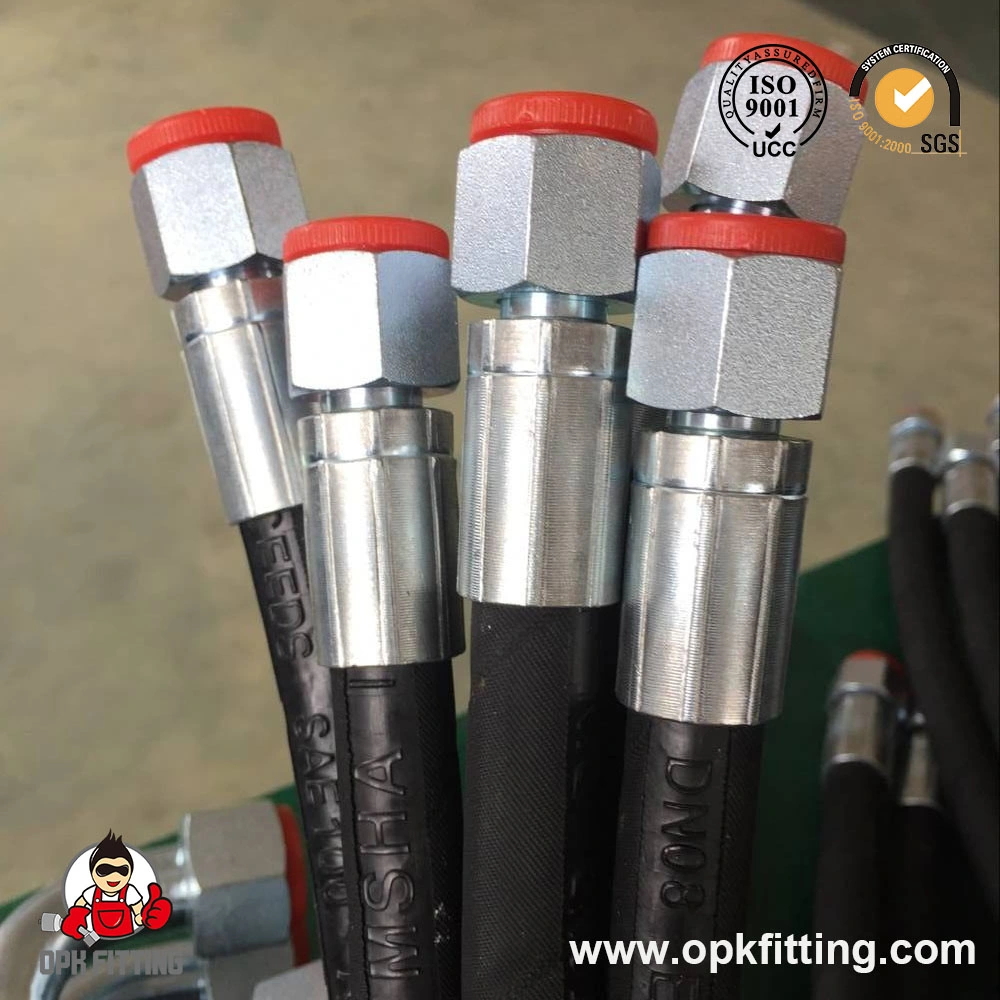
Inner tube: Thermoplastic PolyesterReinforcement: Two high-tenacity polyester braids reinforcementCover: Oil and weather resistant syntheticTemperatur...
See Details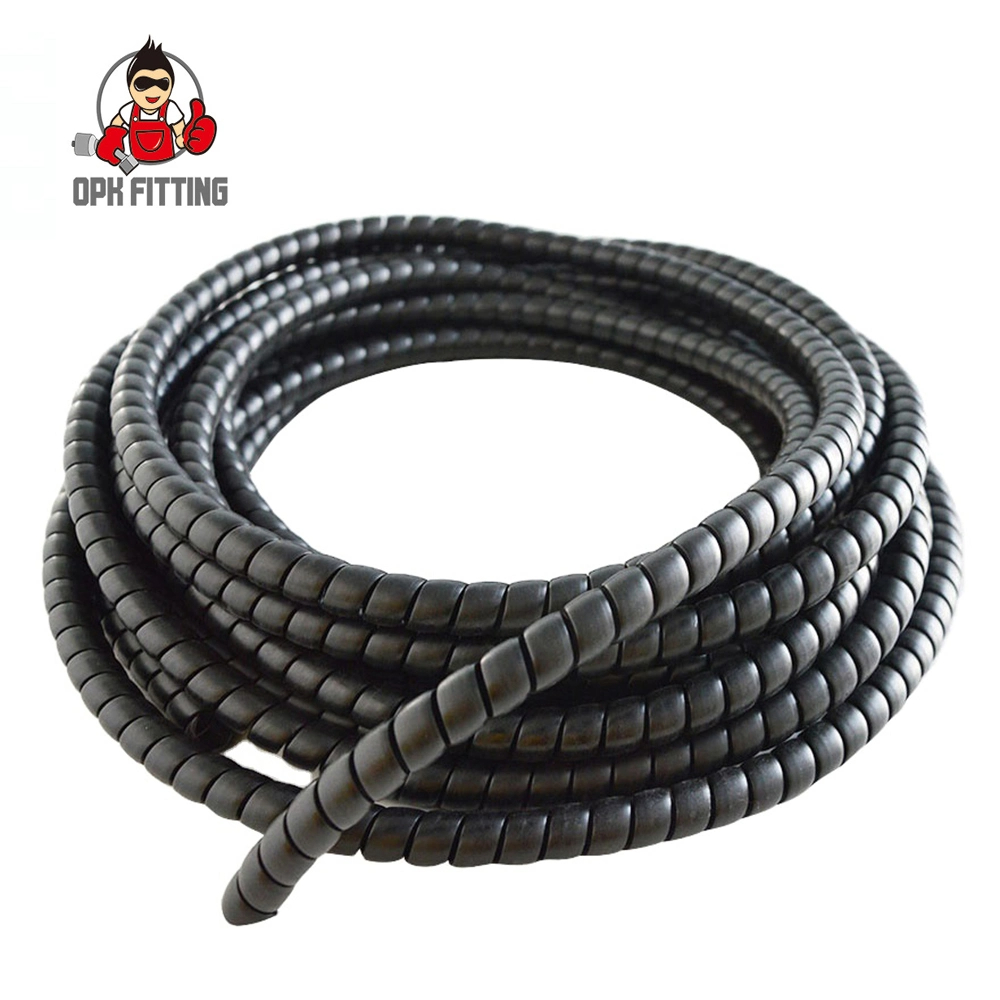
PRODUCT NAME: Spiral Protective Sleeve PP plastic hose guard for hydraulic hoseRecommended For: The use of Spiral Guard Wrap is an economical and conv...
See Details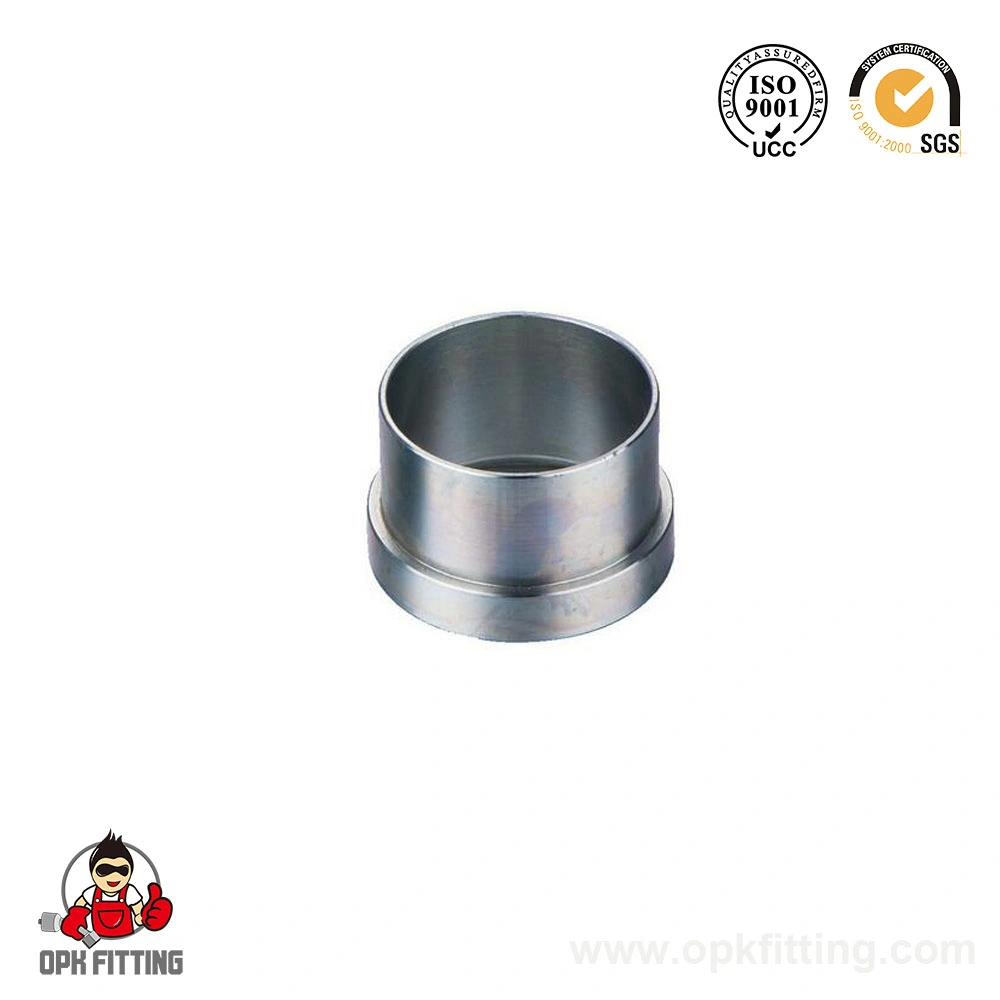
Product Descriptionhydraulic adaptor metric male O-Ring flat sealing pipe fittings Material: Carbon Steel, Stainless SteelSurface Treatment: White o...
See Details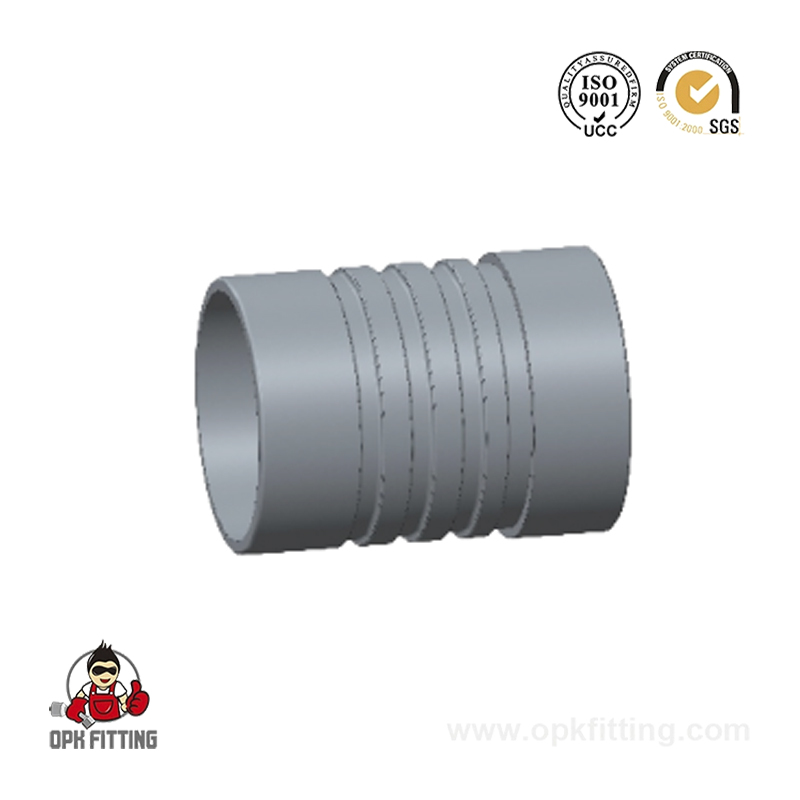
Description Of Products:1. Raw Material: Carbon Steel & Stainless Steel available2. Standard Plating: Trivalent Zinc Plating ( Cr3 / Chrome Free )...
See Details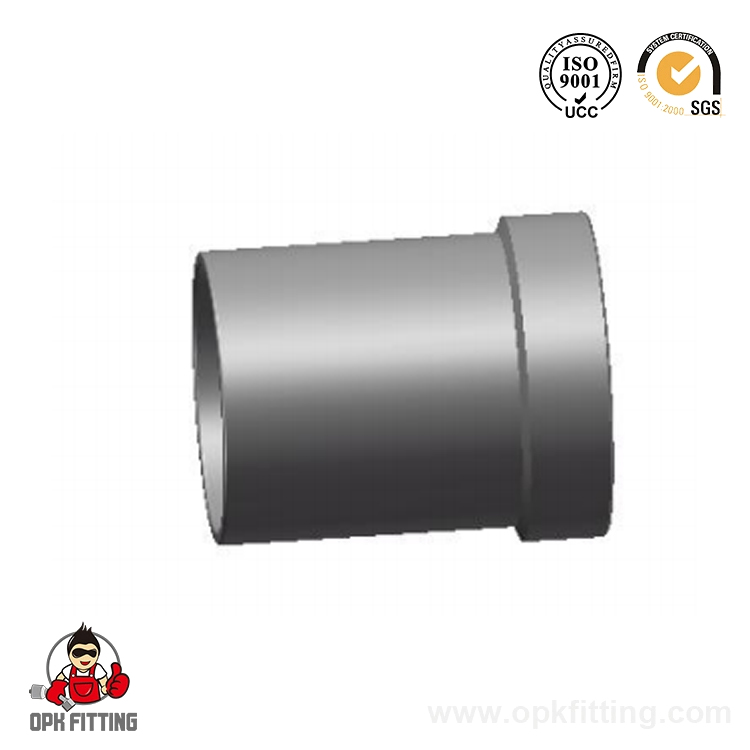
Description Of Products:1. Raw Material: Carbon Steel & Stainless Steel available2. Standard Plating: Trivalent Zinc Plating ( Cr3 / Chrome Free )...
See Details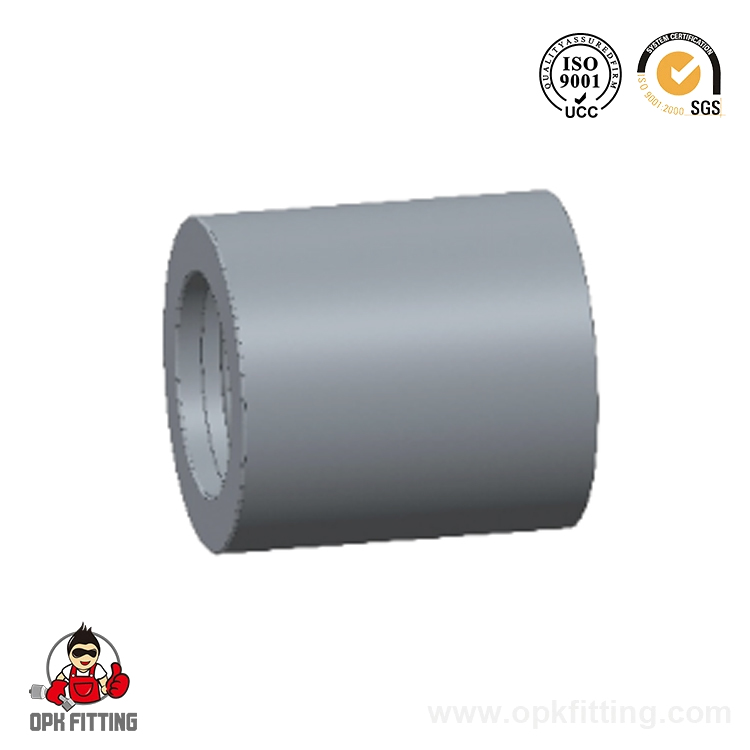
Description Of Products:1. Raw Material: Carbon Steel & Stainless Steel available2. Standard Plating: Trivalent Zinc Plating ( Cr3 / Chrome Free )...
See Details

+86-18868902802


No. 298, Chenghai Road, Binhai New District, Fenghua Economic Development Zone, Fenghua District, Ningbo City, Zhejiang Province, China
Copyright @ Ningbo Opk Fitting Co., Ltd. Hydraulic Hose Fittings Manufacturers OEM & Custom Adaptors Company
