

 英语
英语 俄语
俄语 西班牙语
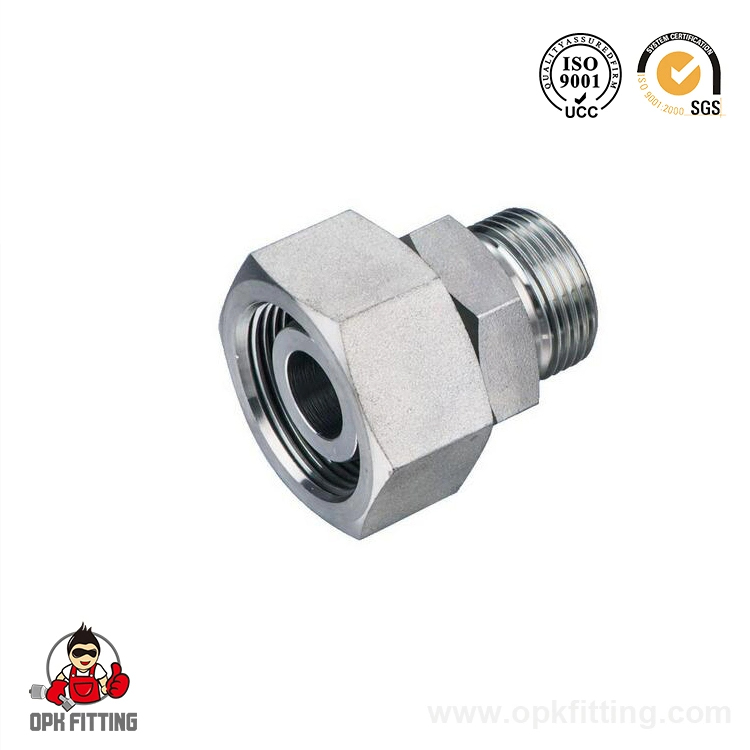
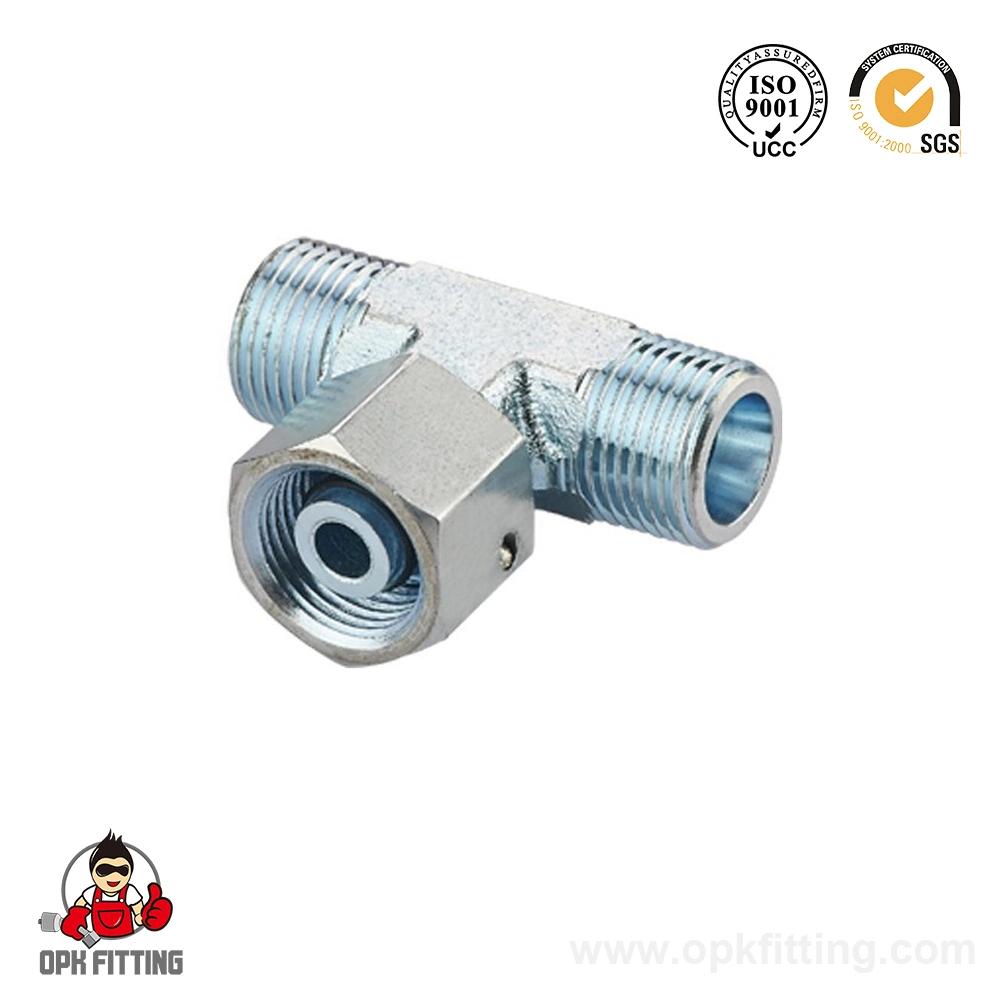
西班牙语-1.jpg "Metric Male 74 Degree Cone Fitting/Sea O-Ring Boss L-Series ISO 11926-3 (1QO, 1QO-RN)")
One Wire Braid-Textile Hose SAE 100 R5
Inner tube: Thermoplastic PolyesterReinforcement: Two high-tenacity polyester braids reinforcementCover: Oil and weather resistant syntheticTemperatur...
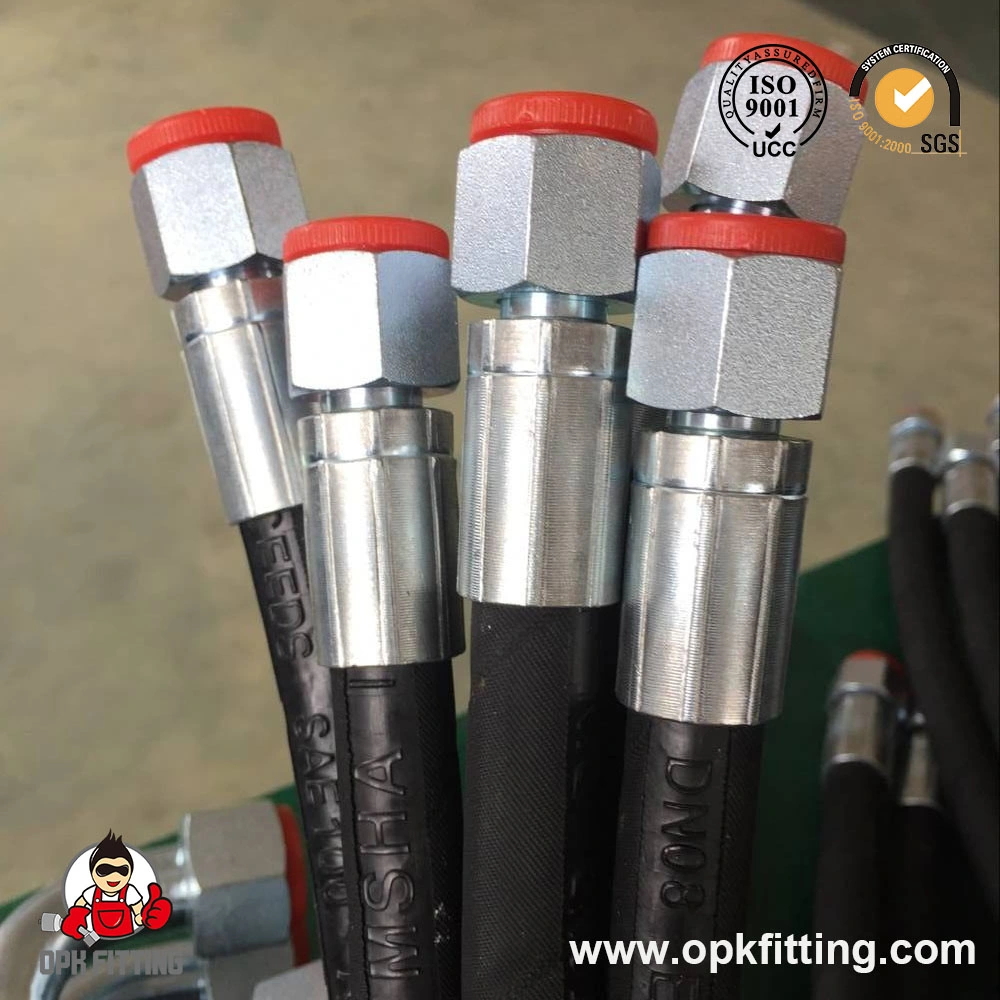
Inner tube: Thermoplastic PolyesterReinforcement: Two high-tenacity polyester braids reinforcementCover: Oil and weather resistant syntheticTemperatur...
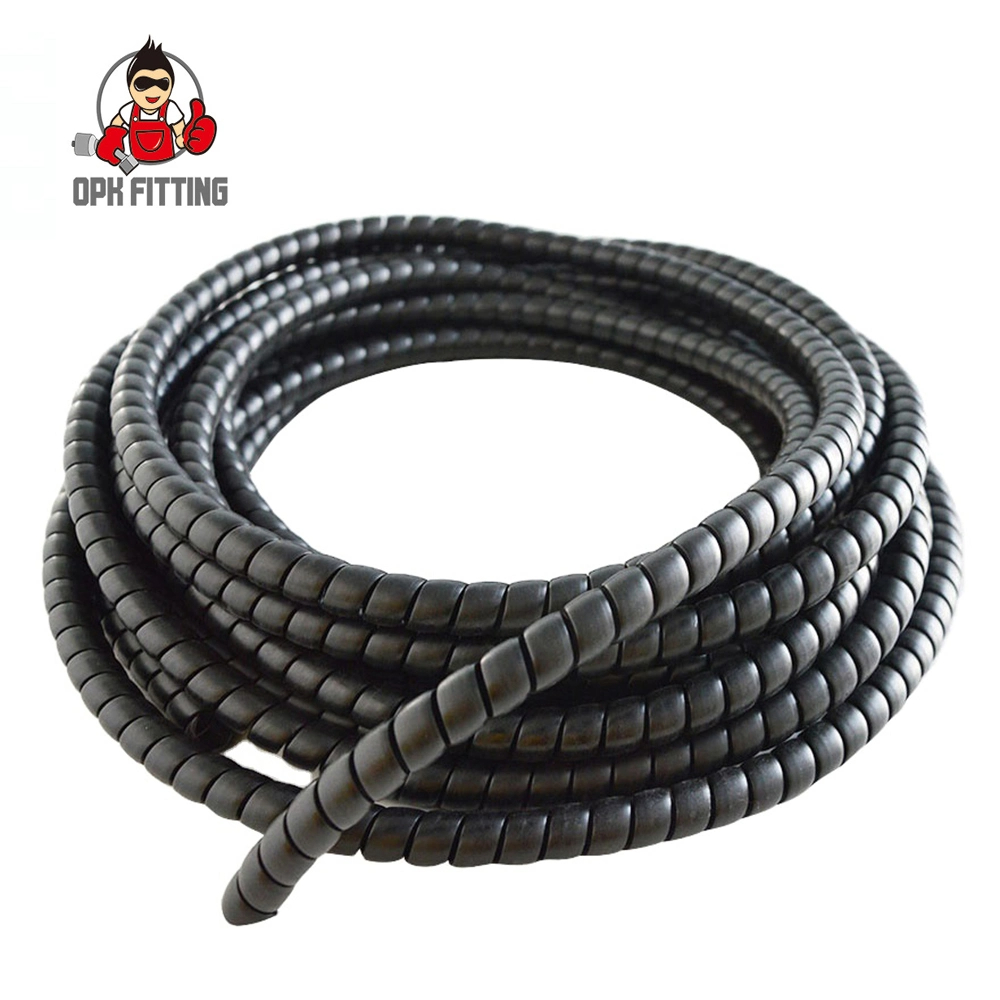
PRODUCT NAME: Spiral Protective Sleeve PP plastic hose guard for hydraulic hoseRecommended For: The use of Spiral Guard Wrap is an economical and conv...
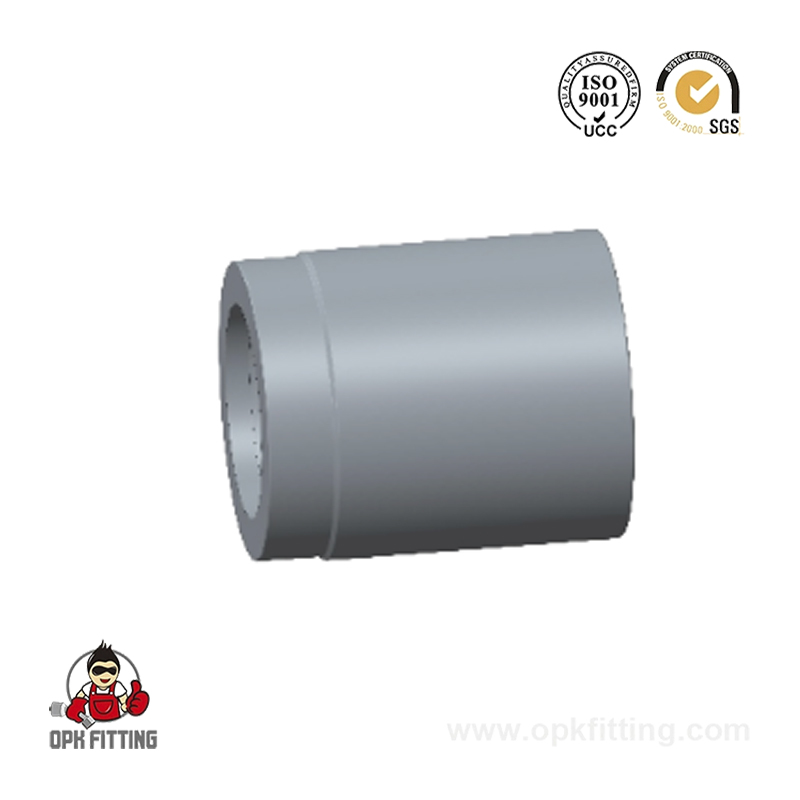
Description Of Products:1. Raw Material: Carbon Steel & Stainless Steel available2. Standard Plating: Trivalent Zinc Plating ( Cr3 / Chrome Free )...
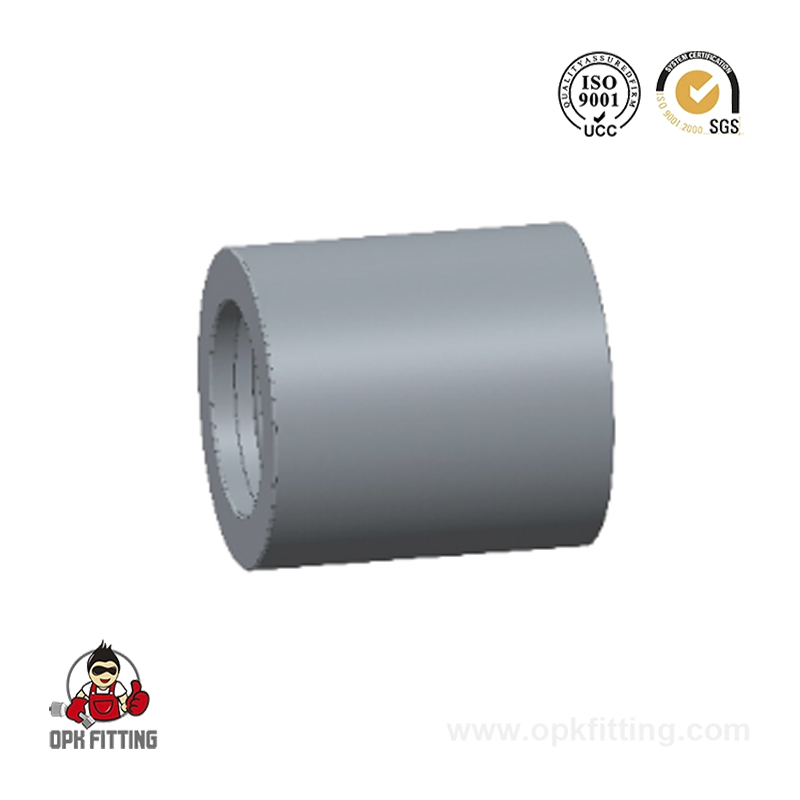
Description Of Products:1. Raw Material: Carbon Steel & Stainless Steel available2. Standard Plating: Trivalent Zinc Plating ( Cr3 / Chrome Free )...
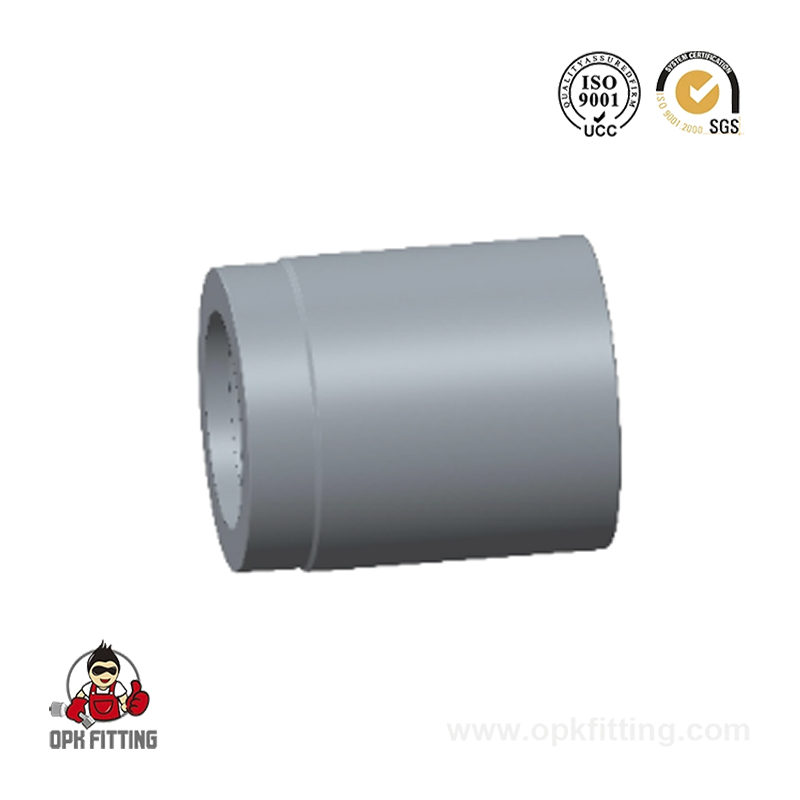
Description Of Products:1. Raw Material: Carbon Steel & Stainless Steel available2. Standard Plating: Trivalent Zinc Plating ( Cr3 / Chrome Free )...
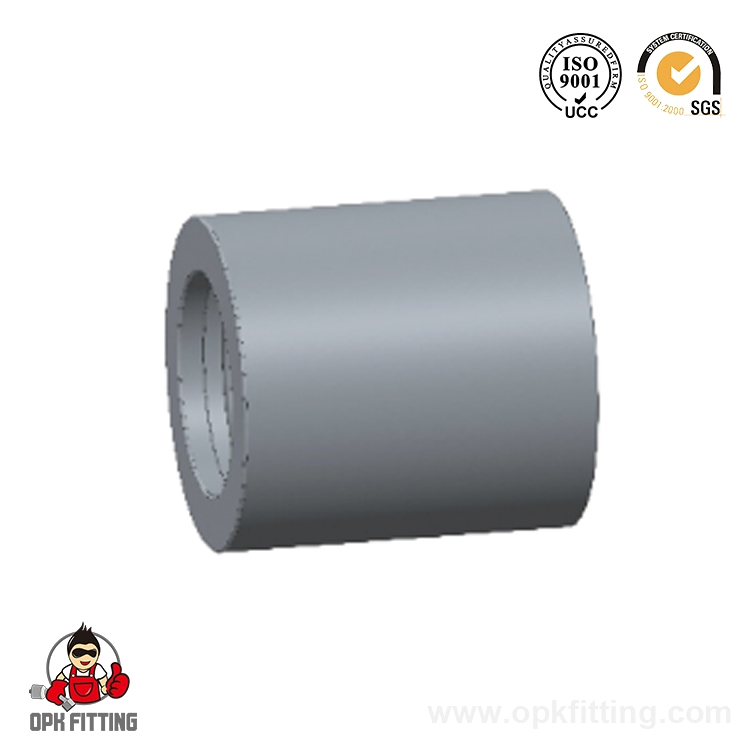
Description Of Products:1. Raw Material: Carbon Steel & Stainless Steel available2. Standard Plating: Trivalent Zinc Plating ( Cr3 / Chrome Free )...
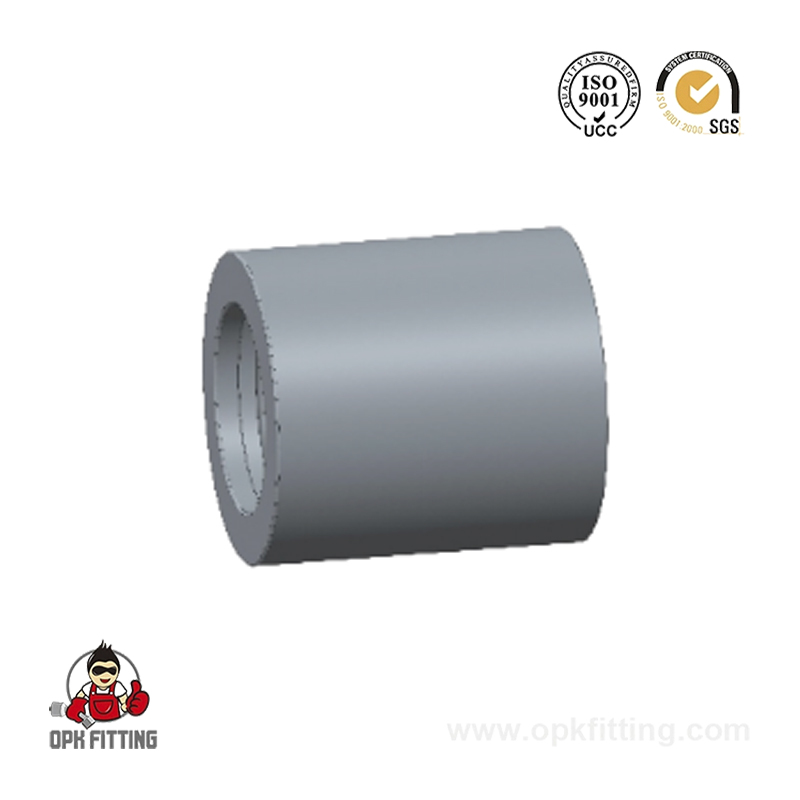
Description Of Products:1. Raw Material: Carbon Steel & Stainless Steel available2. Standard Plating: Trivalent Zinc Plating ( Cr3 / Chrome Free )...
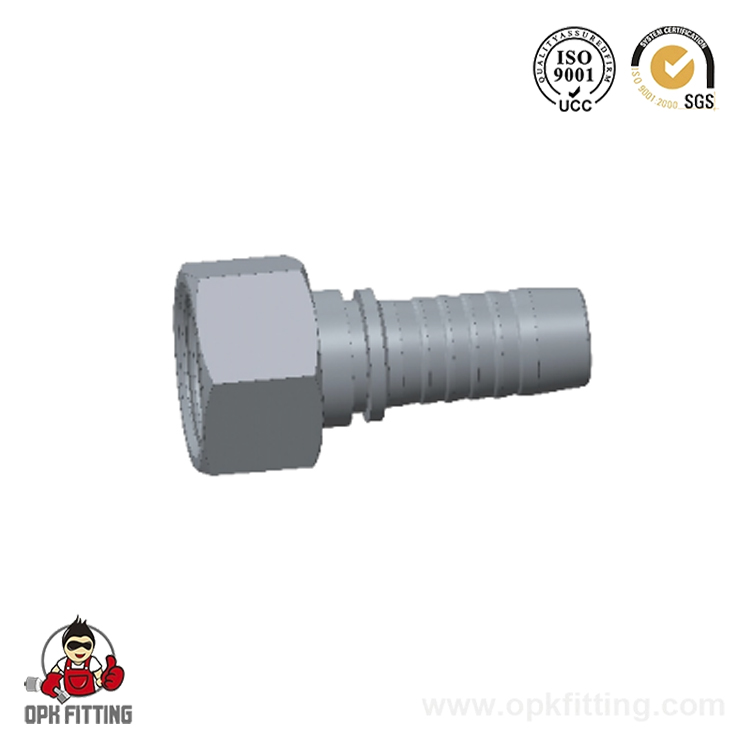
Product DescriptionProduct name: Metric Barbed Hose Fittings/Metric Flat Seal (20211/20212)1. Raw Material: Carbon Steel & Stainless Steel availab...
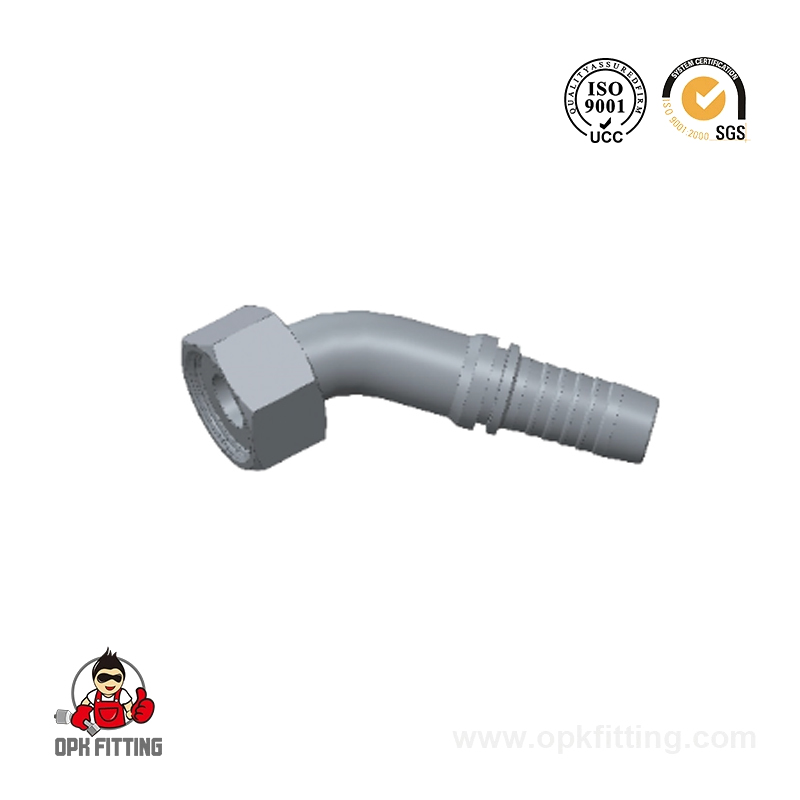
1. Raw Material: Carbon Steel & Stainless Steel available2. Standard Plating: Trivalent Zinc Plating ( Cr3 / Chrome Free ), Silver & Yellow3. ...
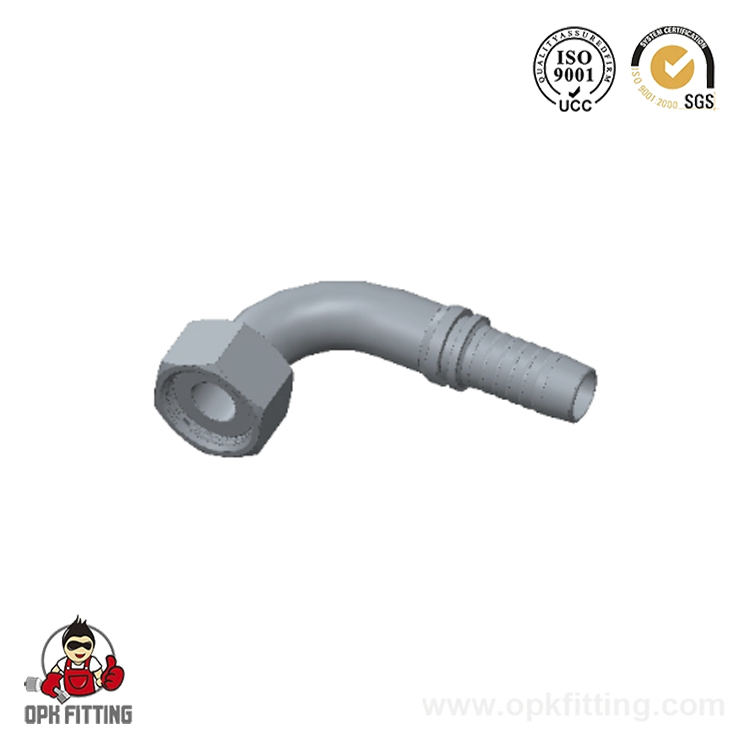
Product DescriptionProduct name: 90° Metric Female Flat Seal Hydraulic Hose Fitting (20291, 20291T)1. Raw Material: Carbon Steel & Stainle...
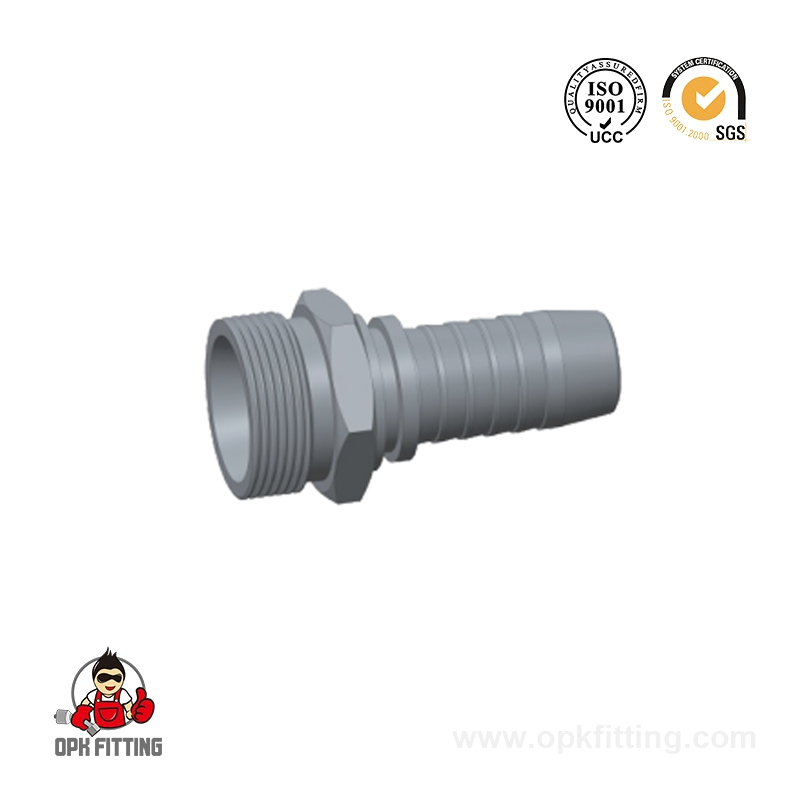
1. Raw Material: Carbon Steel & Stainless Steel available2. Standard Plating: Trivalent Zinc Plating ( Cr3 / Chrome Free ), Silver & Yellow3. ...
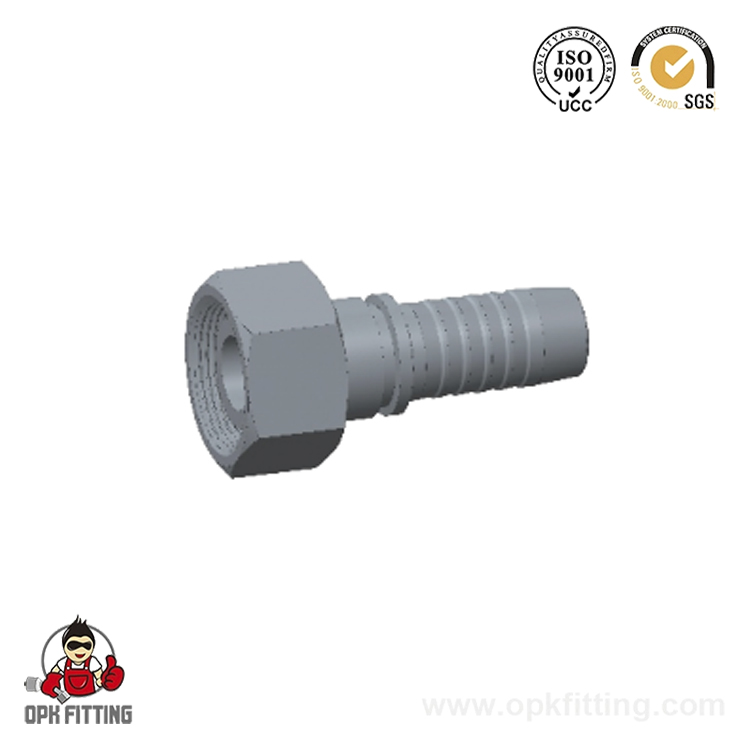
Product DescriptionProduct name: Metric Female 24° Cone O-Ring L. T. Stainless Steel Pipe Fitting (20411)1. Raw Material: Carbon Steel & S...

Our 10 years of customisation experience has created the OPK Fitting brand value.
A socketless hose fitting is a hydraulic or fluid transfer connector that secures directly onto a h...
View MoreWhy Do Hydraulic Hoses Fail and How Can You Prevent It? Hydraulic hoses fail primarily due to abras...
View MoreOne Wire Braid-Textile Hose (SAE 100 R5) is the ideal choice for industrial hydraulic and fluid con...
View MoreHall: E1 Booth No.: K8 Area: Zone B Opening Side: Single Side Opening Area: 3*6=18Sqm Type: Raw Spac...
View MoreStainless steel hydraulic fittings are used to connect pipelines, equipment, sanitary ware, wires an...
View MoreHydraulic lines and fittings are essential components in fluid power systems, responsible for transporting pressurized fluid between different parts of machinery. These systems are widely used in construction equipment, manufacturing lines, and automotive applications. A typical hydraulic system can operate at pressures ranging from 1,500 to 5,000 PSI, making reliability and sealing performance critical.
Hydraulic lines (hoses or tubes) carry the fluid, while fittings connect these lines securely to pumps, valves, and actuators. Proper design ensures minimal leakage, efficient energy transfer, and long service life.
Each type serves different pressure ratings and operational requirements, ensuring optimal system performance.
| Type | Pressure Capacity | Best Use |
|---|---|---|
| Flexible Hose | Up to 5,000 PSI | Mobile equipment |
| Rigid Tube | Up to 10,000 PSI | Industrial systems |
Inspect hoses for cracks, leaks, or bulging. Studies show that over 70% of hydraulic failures are caused by poor maintenance.
Avoid over-tightening fittings and ensure correct alignment to reduce stress and extend lifespan.
Ningbo Force Auto Parts Co., Ltd. specializes in providing high-quality hydraulic components, lifting solutions, and industrial accessories. With advanced manufacturing capabilities and strict quality control, the company delivers reliable products that meet global standards, helping customers improve system efficiency and safety.
Typically every 3–5 years, depending on usage and environmental conditions.
Use correct fittings, ensure proper torque, and regularly inspect seals and connections.
Choose hoses for flexibility and vibration resistance, and tubes for high-pressure, fixed installations.

+86-18868902802


No. 298, Chenghai Road, Binhai New District, Fenghua Economic Development Zone, Fenghua District, Ningbo City, Zhejiang Province, China
Copyright @ Ningbo Opk Fitting Co., Ltd.
