


Factory Supply 90 Deg Elbow Bulkhead Hydraulic Pipe Fitting 6c9
Cat:Hydraulic Adapters
Product Descriptionhydraulic adaptor metric male O-Ring flat sealing pipe fittings Material: Carbon Steel, Stainless SteelSurface Treatment: White...
See DetailsContent
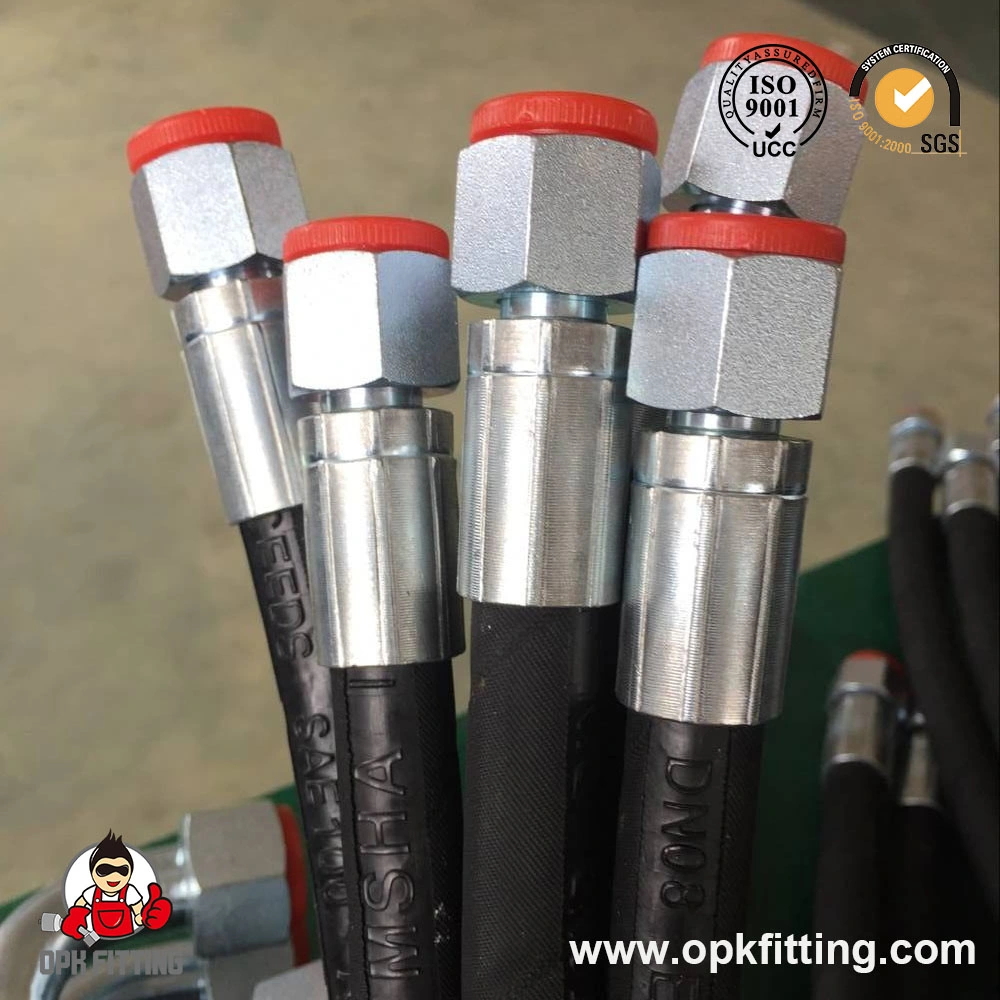
A 1/2-inch SAE 100R2AT hose is rated for 4,000 psi working pressure and a minimum burst pressure of 16,000 psi. Then a directional valve slams shut, and the pressure momentarily spikes past 7,000 psi. The hose does not burst on the first spike. It bursts after enough spikes have fatigued the wire braid that originally provided that 16,000 psi margin. Burst pressure is the number that defines how much abuse a hydraulic system can survive — and it is widely misunderstood.
Burst pressure is the minimum internal pressure at which a hydraulic hose ruptures during a destructive pressure test. A new hose sample is mounted, filled with fluid, and pressurized in increments until the reinforcement gives way. That measured failure point is published as a guaranteed minimum for the hose construction, not a typical value from the best batch.
Three layers in the hose structure set that limit:
Standards such as SAE J517, EN 853/856, and ISO 18752 require each hose type to meet a minimum burst pressure, verified by sample testing per SAE J343 or ISO 1402.
Working pressure is the maximum continuous pressure a hose is designed to carry over its rated impulse life. Burst pressure is the destructive threshold. Proof pressure sits in between: a short-term test level at which the hose must show no permanent deformation or leakage.
| Rating | Definition | Typical value |
|---|---|---|
| Working pressure | Maximum continuous pressure for normal service | 4,000 psi |
| Proof test pressure | Short-term test limit; no permanent set allowed | 6,000–8,000 psi |
| Burst pressure | Destructive failure threshold | 16,000 psi minimum |
Applying the same 4:1 ladder to a 5,000 psi working-pressure hose gives a minimum burst of 20,000 psi.
The proof test is not an operating level; it is a factory quality check. If a hose shows permanent set after proof testing, it fails acceptance.
The 4:1 safety factor does not mean you can run a system at 50% of burst pressure. The margin exists to absorb pressure spikes, pump ripple, temperature derating, and gradual fatigue. A hose that has survived hundreds of thousands of impulse cycles no longer bursts at the fresh-sample rating; the margin is consumed by service life. That is why the safety factor is a design requirement, not a license to ignore system pressures.
The lab test is clean; real service is not. Hoses burst below the published rating for reasons that fall into a few recurring categories:
For a step-by-step look at what happens inside the hose during each failure mode, see our previous article on why hydraulic hoses fail.
 SAE 100 R5 One Wire Braid-Textile Hydraulic HoseThis hose uses a thermoplastic polyester inner tube and two polyester braids for reinforcement, with an oil- and weather-resistant cover. It appears right before a discussion on burst resistance, which is largely determined by its wire reinforcement layer.View Product →
Burst resistance is determined mostly by the wire reinforcement layer, not the cover.
When you source a hose assembly — for a replacement or for new equipment — keep three checks in mind.
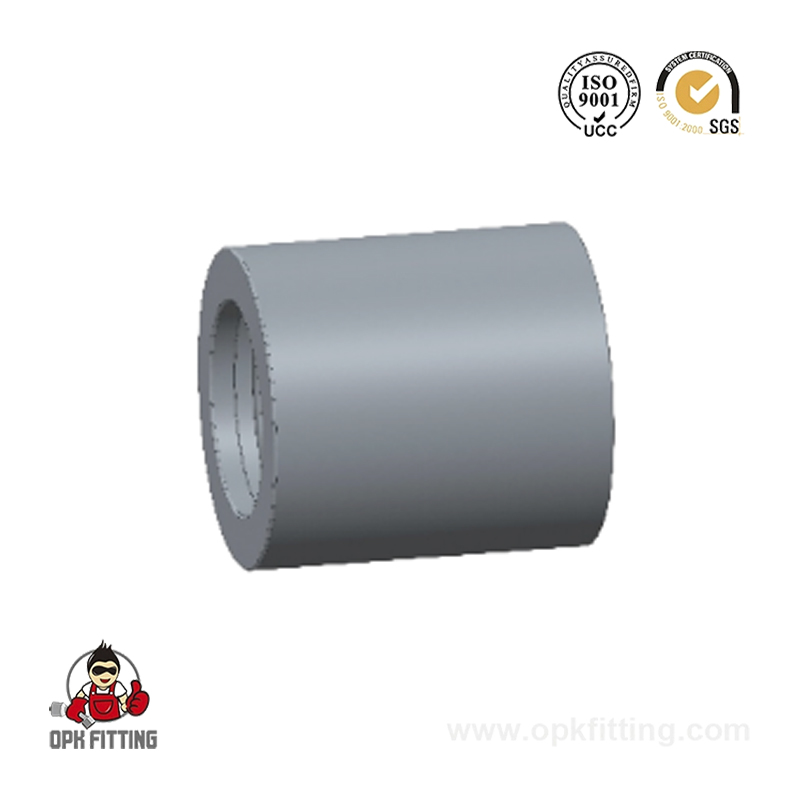 Ferrule for SAE 100 R2AT/EN 853 2SN HoseThis ferrule is available in carbon or stainless steel with trivalent zinc plating, and offers OEM service. Positioned after sourcing checks, it supports the verification of burst pressure and crimp records for reliable hose assemblies.View Product →
When requesting a quote, specify the hose standard (EN 853 2SN, SAE 100 R5, 4SP/4SH, etc.), working pressure, inner diameter, and fitting end type — JIC 74° cone, ORFS, BSP, or flange. Ask for the batch test certificate and crimp records: these documents separate a factory that verifies burst pressure from one that only prints it. To see what such verification looks like in practice, the about page of this site describes the production and testing setup of a dedicated hydraulic hose and fittings factory.
.jpg) JIC Male 74° Cone Hydraulic Pipe FittingA hydraulic fitting with a JIC male 74-degree cone, available in carbon or stainless steel and plated with trivalent zinc. Shown after a passage about burst pressure, it helps in specifying the correct end type for hose assemblies.View Product →
JIC Male 74° Cone Hydraulic Pipe FittingA hydraulic fitting with a JIC male 74-degree cone, available in carbon or stainless steel and plated with trivalent zinc. Shown after a passage about burst pressure, it helps in specifying the correct end type for hose assemblies.View Product →Burst pressure is the minimum internal pressure that causes a hydraulic hose to rupture during a laboratory pressure test. It is typically four times the working pressure and is a destructive failure threshold, not an operating limit.
Working pressure is the maximum continuous pressure a hose can handle in normal service; burst pressure is the pressure at which it physically fails. With a 4:1 safety factor, a hose rated at 5,000 psi working pressure has a burst pressure of at least 20,000 psi.
The standard safety factor is 4:1, meaning the minimum burst pressure is four times the working pressure. This requirement appears in SAE J517, EN 853/856, and ISO 18752, and it covers pressure spikes, fatigue, and environmental degradation.
Common causes include pressure spikes above the working rating, installing a hose with too low a pressure rating, mismatched ferrules or incorrect crimping, bending below the minimum bend radius, and heat or fluid incompatibility that degrades the inner tube or reinforcement.
It depends on the construction. One-wire braid hoses like SAE 100R5 typically work at 250–3,000 psi depending on size; two-wire hoses like SAE 100R2AT reach 4,000–6,000 psi; spiral-wire hoses (4SP/4SH, R12/R13) go up to 5,000–6,000 psi or more. Burst pressure is roughly four times these working limits.
Confirm the system's maximum pressure including spikes, select a hose whose working pressure exceeds it with margin, use manufacturer-matched ferrules and fittings, crimp to the recommended diameter, respect the minimum bend radius, and inspect the cover regularly for abrasion or damage.
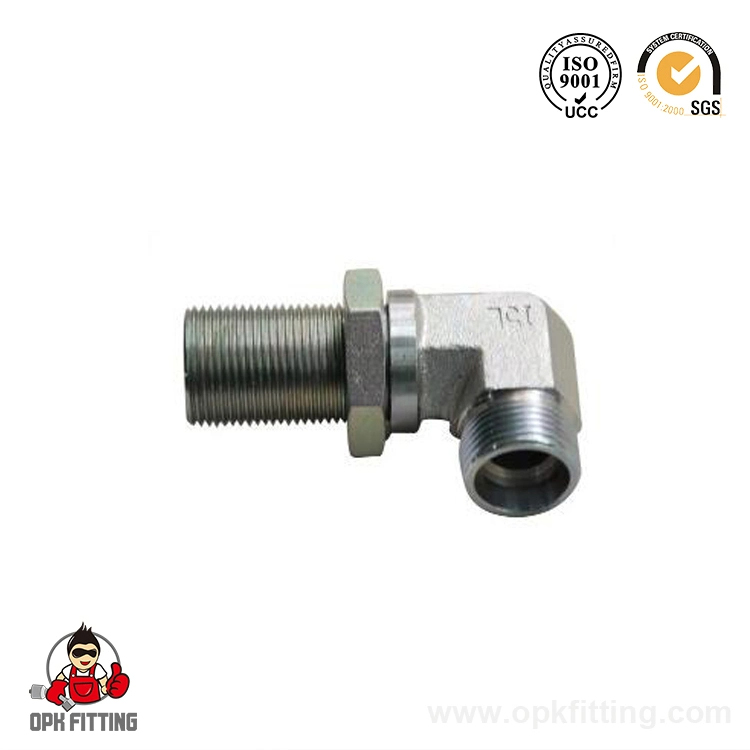
Product Descriptionhydraulic adaptor metric male O-Ring flat sealing pipe fittings Material: Carbon Steel, Stainless SteelSurface Treatment: White...
See Details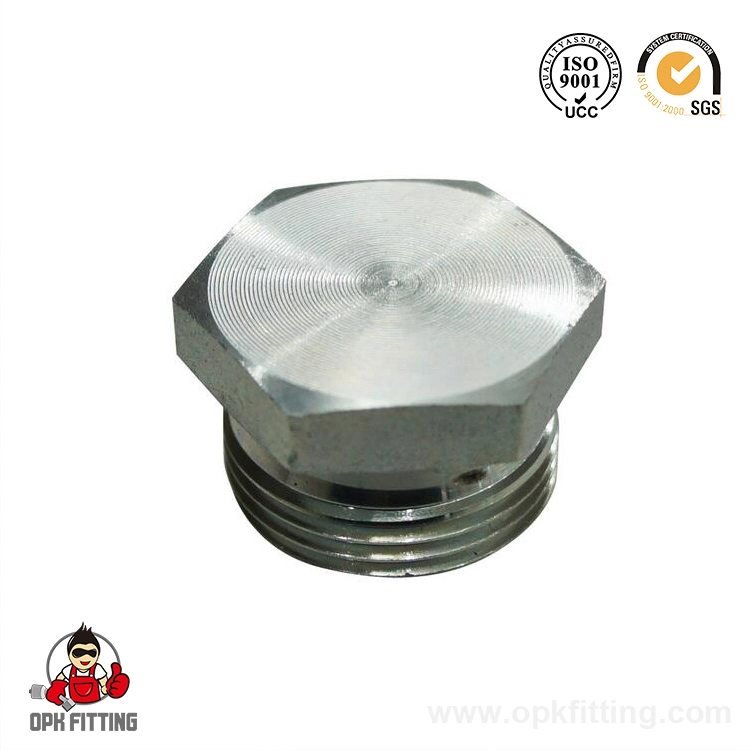
Product Descriptionhydraulic adaptor metric male O-Ring flat sealing pipe fittings Material: Carbon Steel, Stainless SteelSurface Treatment: White...
See Details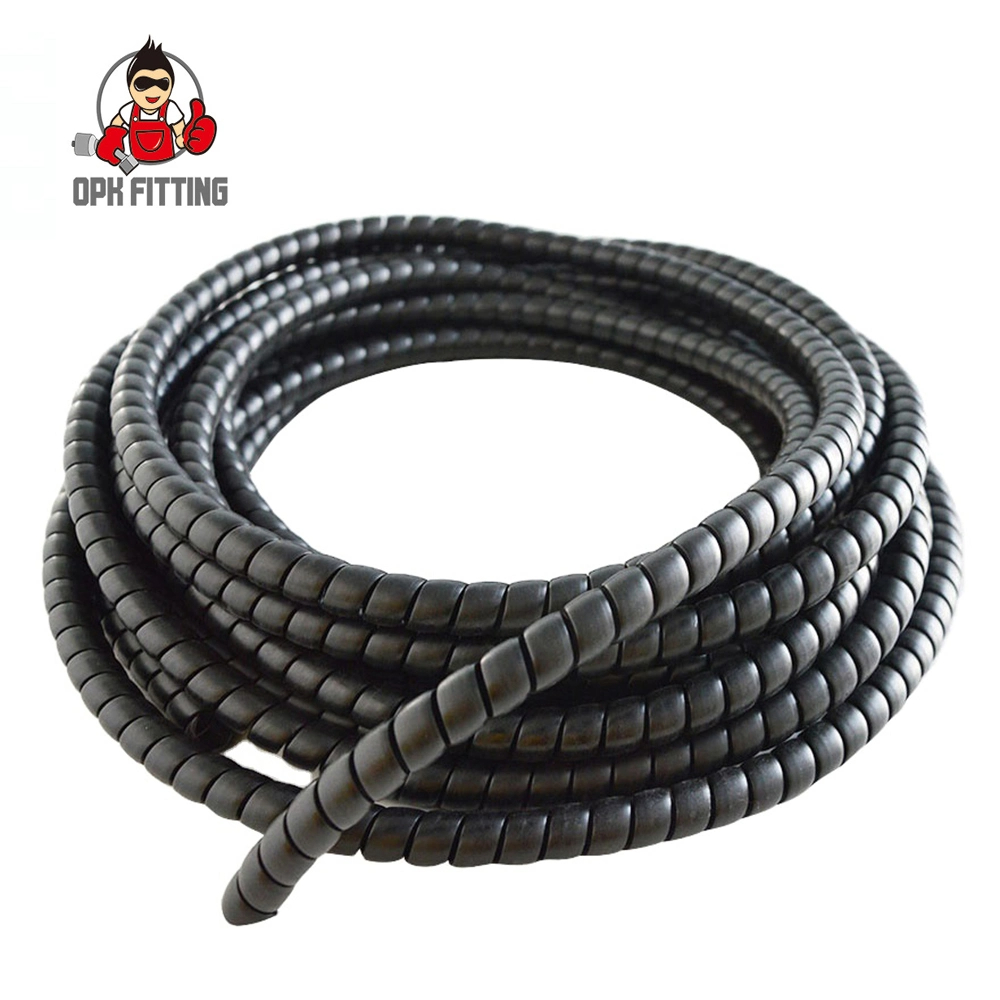
PRODUCT NAME: Spiral Protective Sleeve PP plastic hose guard for hydraulic hoseRecommended For: The use of Spiral Guard Wrap is an economical and conv...
See Details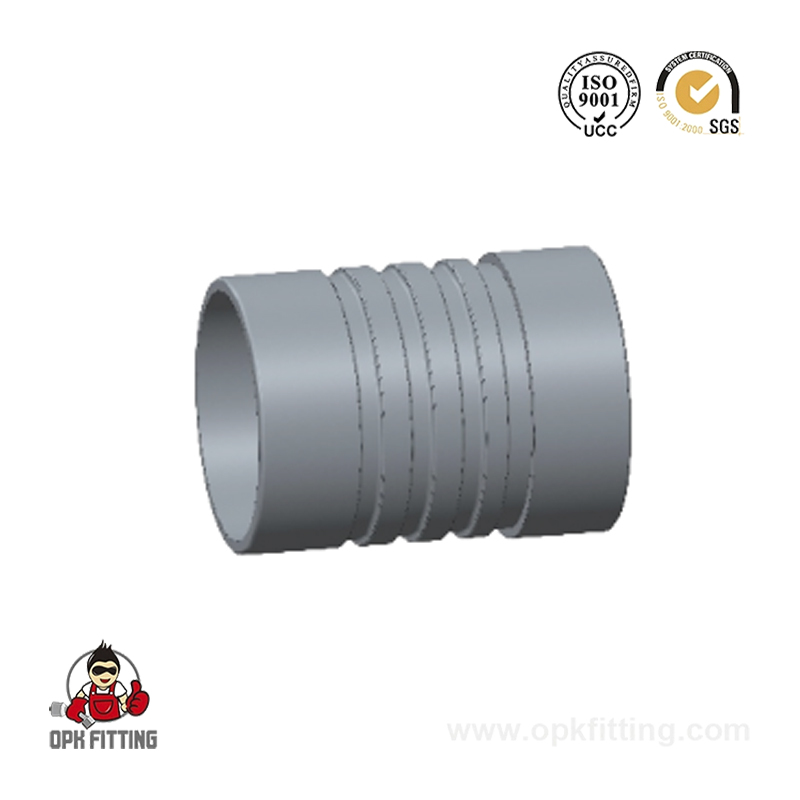
Description Of Products:1. Raw Material: Carbon Steel & Stainless Steel available2. Standard Plating: Trivalent Zinc Plating ( Cr3 / Chrome Free )...
See Details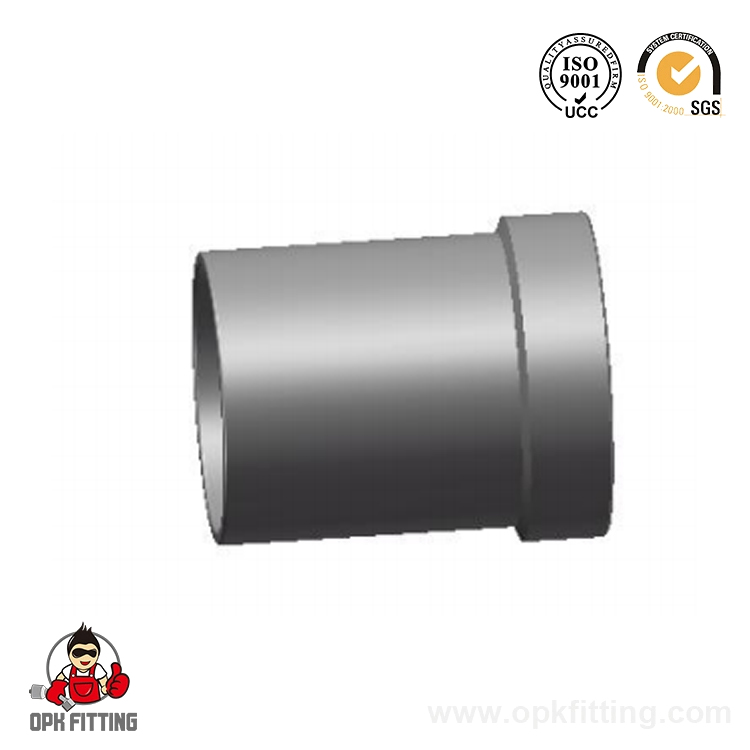
Description Of Products:1. Raw Material: Carbon Steel & Stainless Steel available2. Standard Plating: Trivalent Zinc Plating ( Cr3 / Chrome Free )...
See Details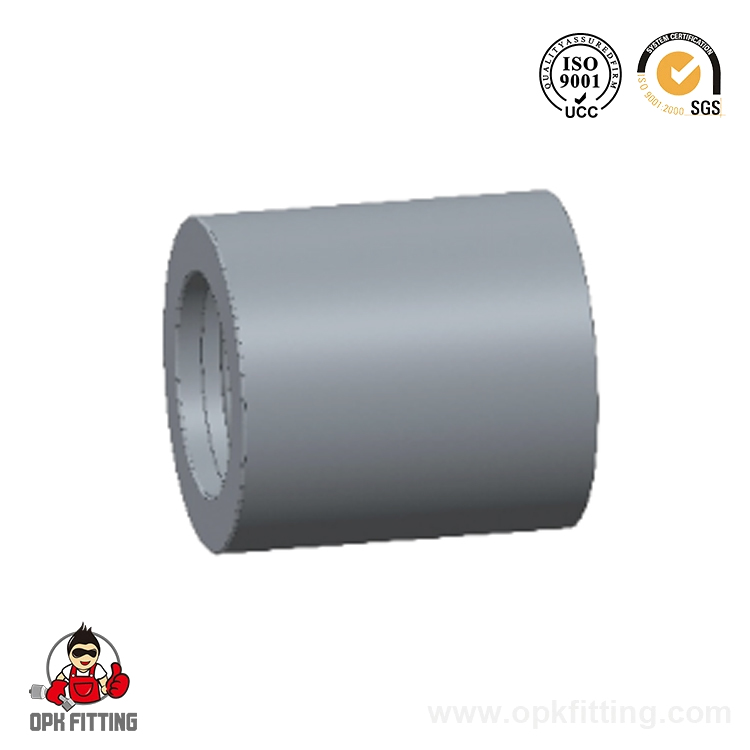
Description Of Products:1. Raw Material: Carbon Steel & Stainless Steel available2. Standard Plating: Trivalent Zinc Plating ( Cr3 / Chrome Free )...
See Details

+86-18868902802


No. 298, Chenghai Road, Binhai New District, Fenghua Economic Development Zone, Fenghua District, Ningbo City, Zhejiang Province, China
Copyright @ Ningbo Opk Fitting Co., Ltd. Hydraulic Hose Fittings Manufacturers OEM & Custom Adaptors Company
